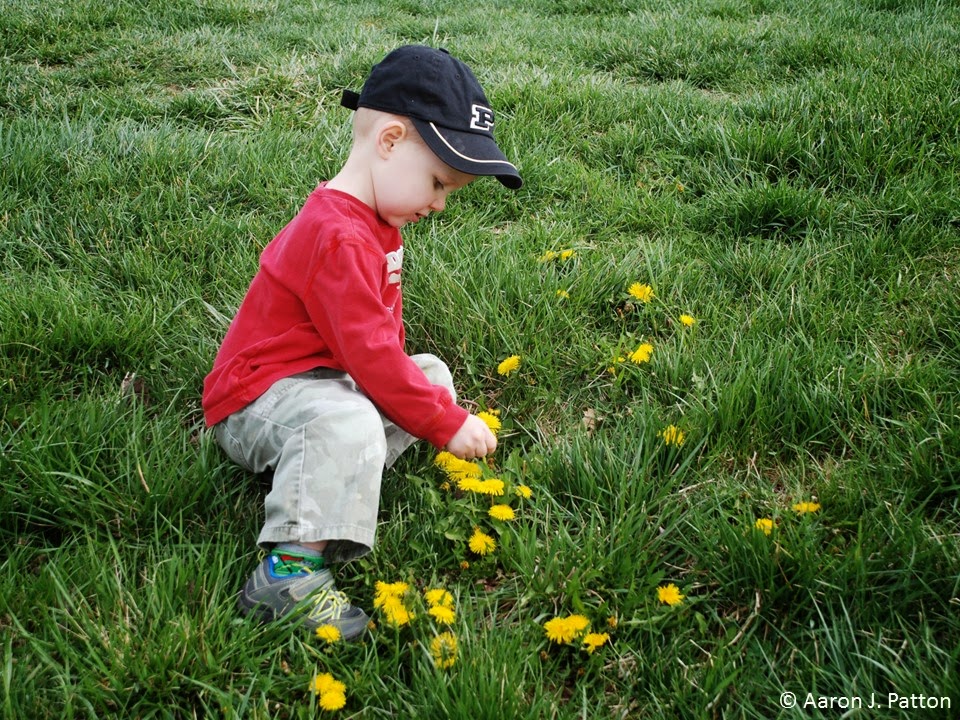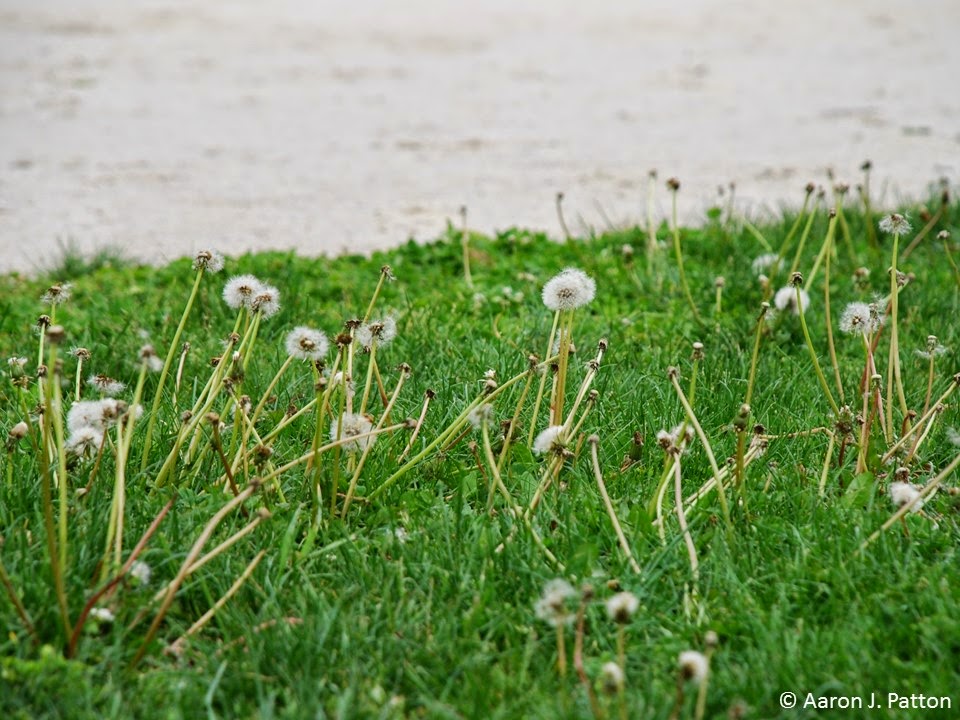
Biology: Dandelion (Taraxacum offinianale), is a broadleaf perennial weed that can be found in lawns, nursery crops, and landscapes throughout the United States. It has the ability to survive many different soil types, environmental conditions, and management practices; thus, it is a commonly found weed in lawns throughout the northern half of the U.S.
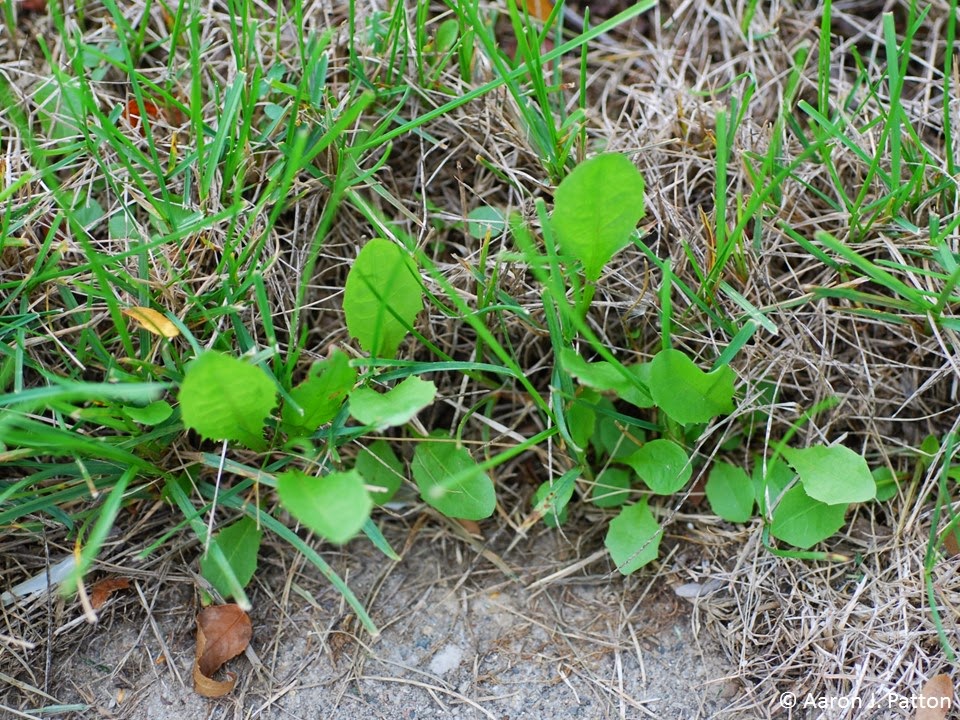
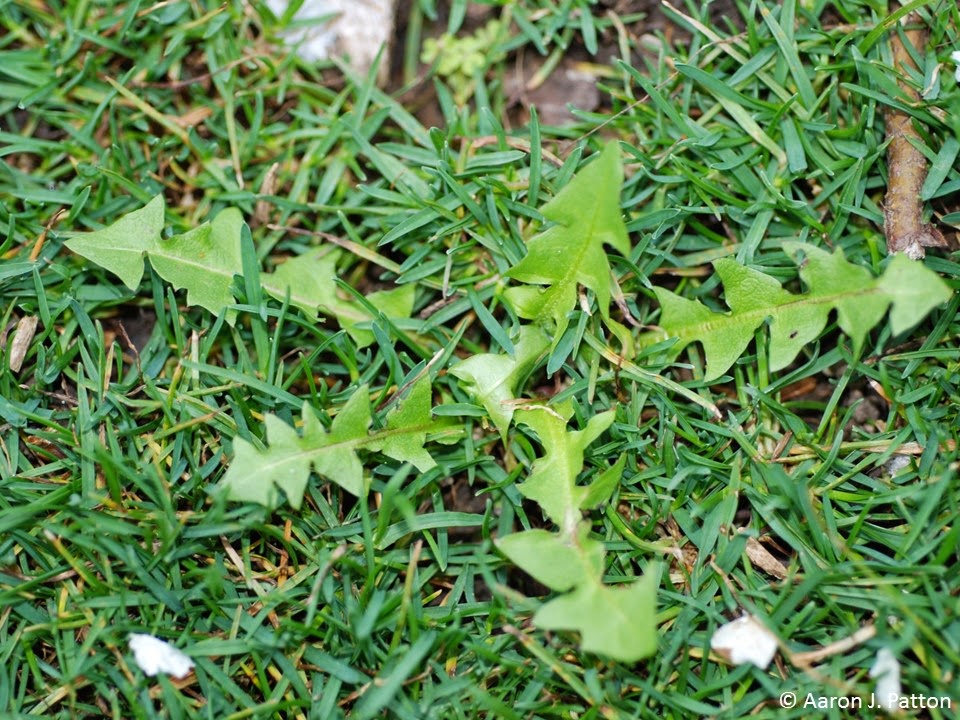
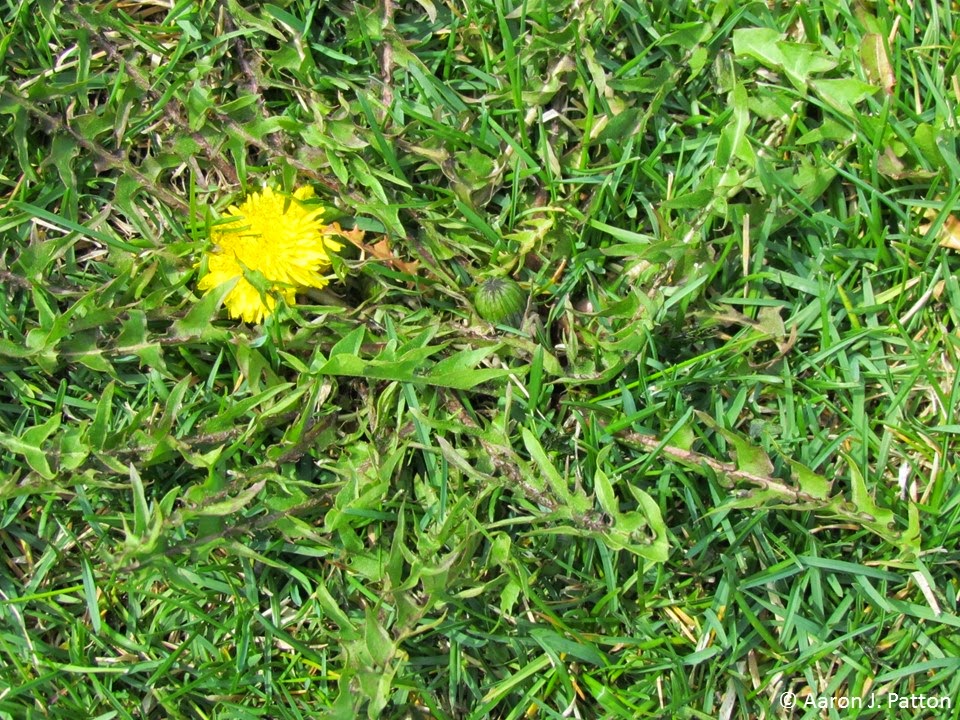
Identification: Dandelion is one of the most identifiable broadleaf weeds. It is a perennial broadleaf that is a member of the composite or daisy family. It prefers full sun and grows best in moist soils; however, it can survive in multiple environmental conditions (shade and heat) and management practices (fertility, drought, low mowing practices). Dandelions generally appear in early spring as they regrow from a few overwintering leaves and their taproot. Leaves have distinct wavy margins that form into the irregular ‘toothed’ appearance that makes the plant easily identifiable. The ends of the ‘teeth’ tend to point downward towards the base of the rosette.
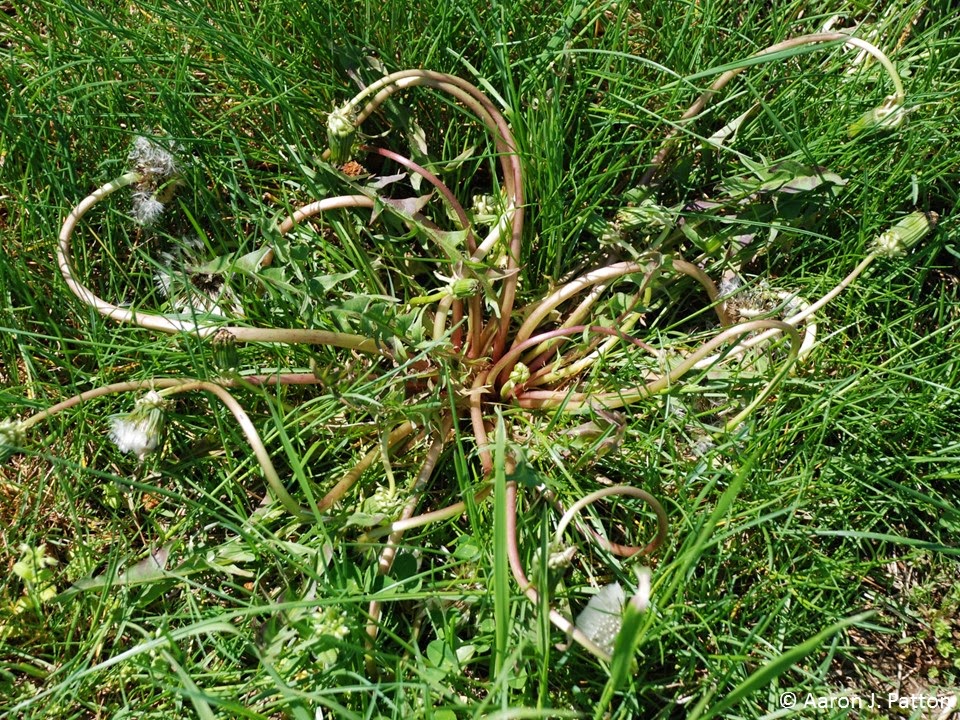
Dandelion produces a strong taproot and the plant has the capability to regenerate from surviving taproot segments (so hoeing a dandelion from your garden may not actually kill the plant). The survivability of this taproot helps to make dandelion a very prevalent and ‘difficult to completely control’ weed in lawns in Indiana, even following herbicide applications.
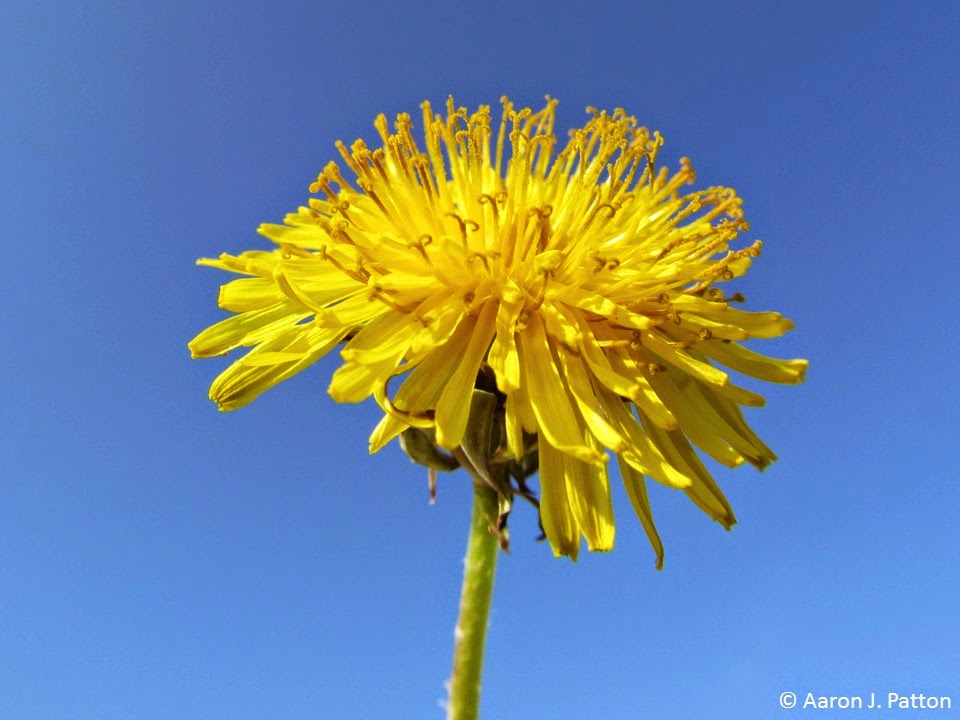
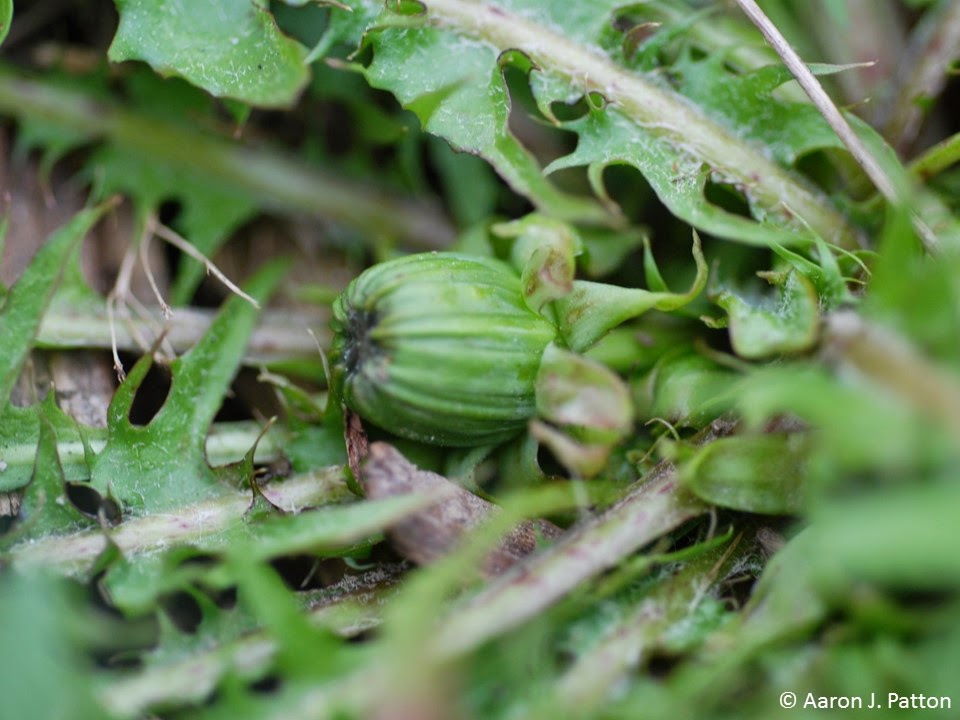
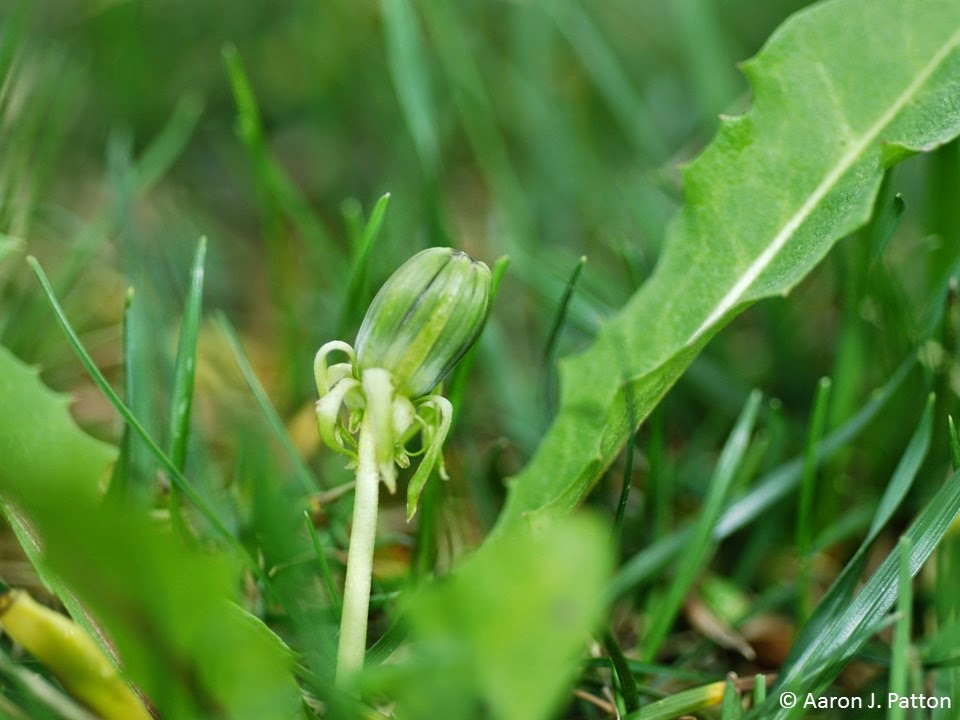
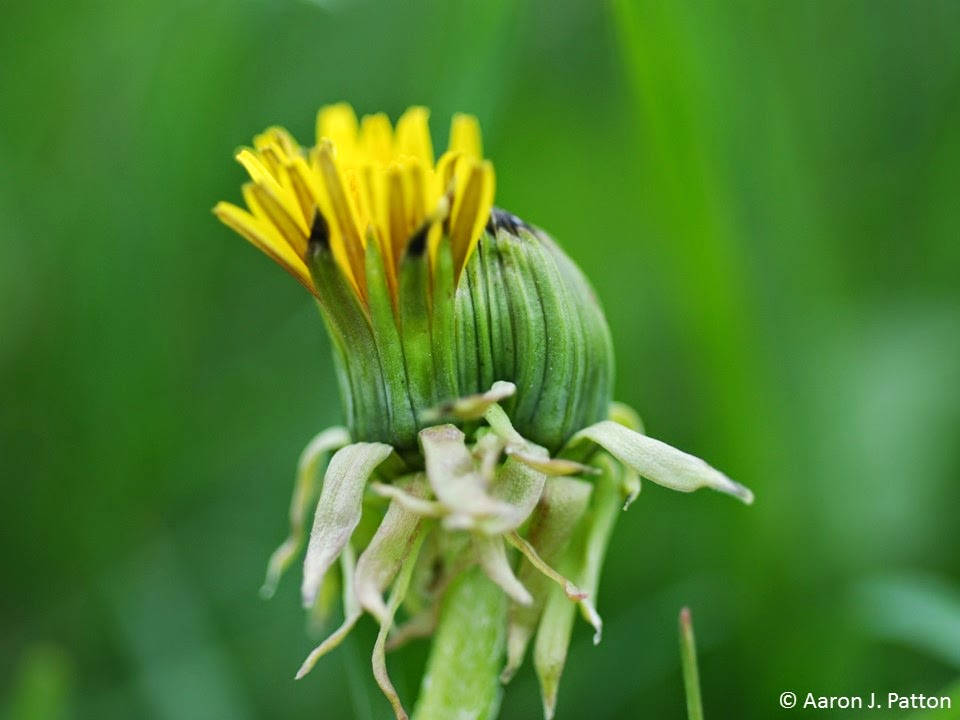
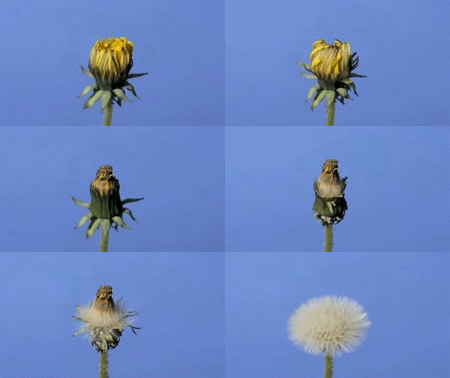
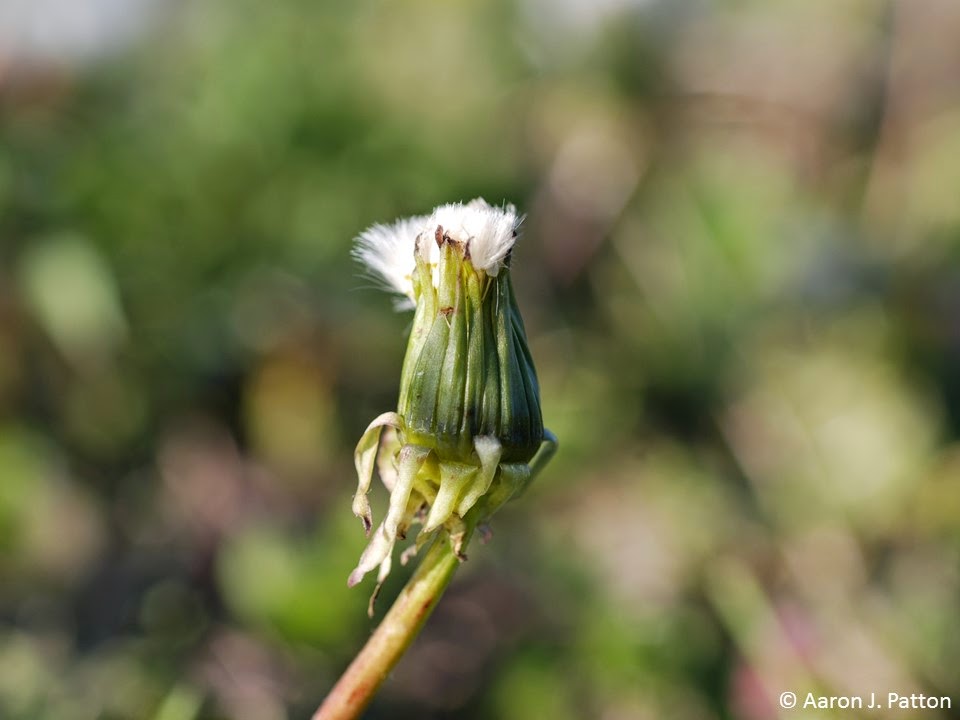
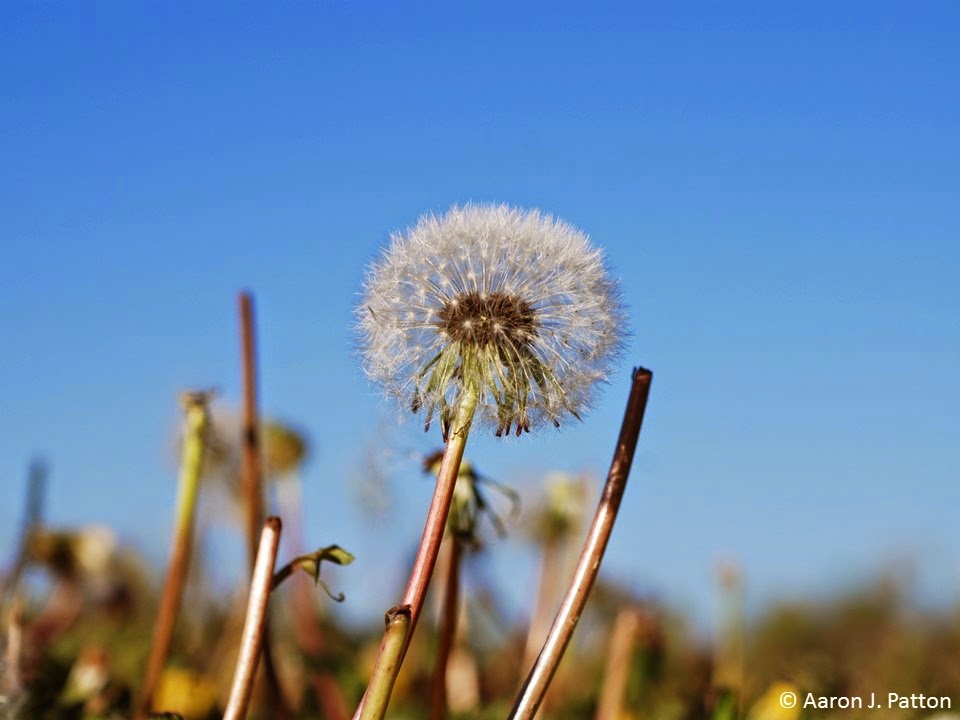
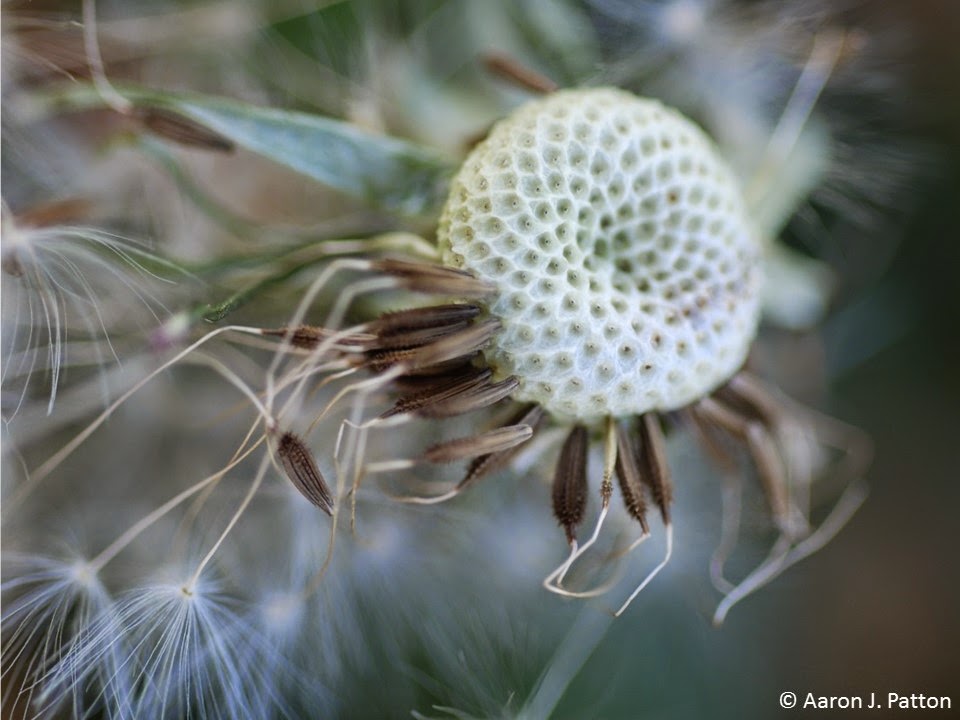
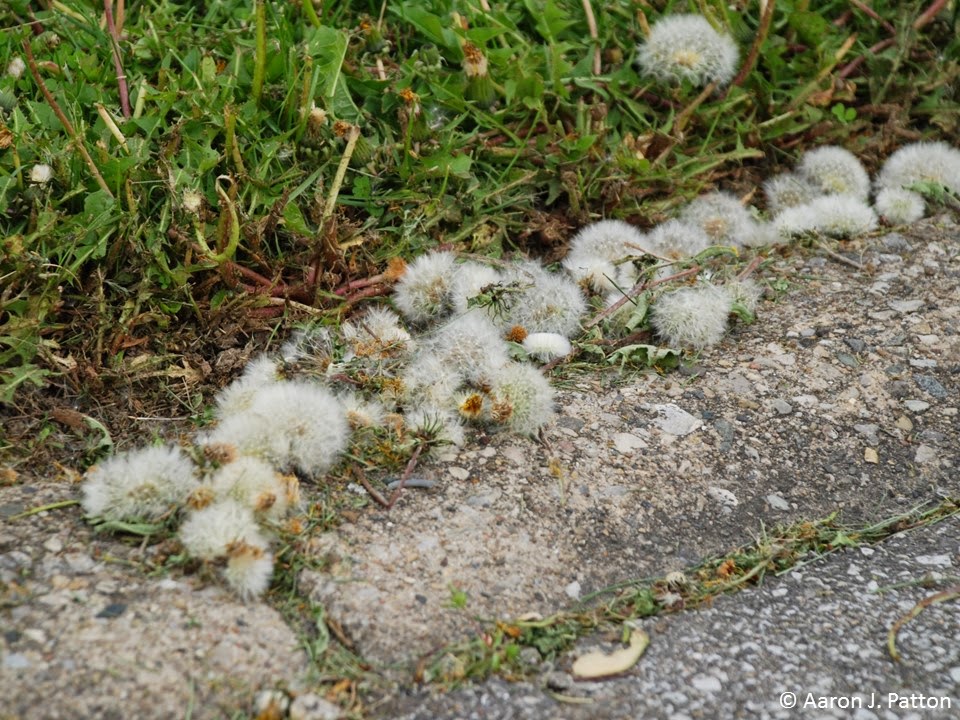
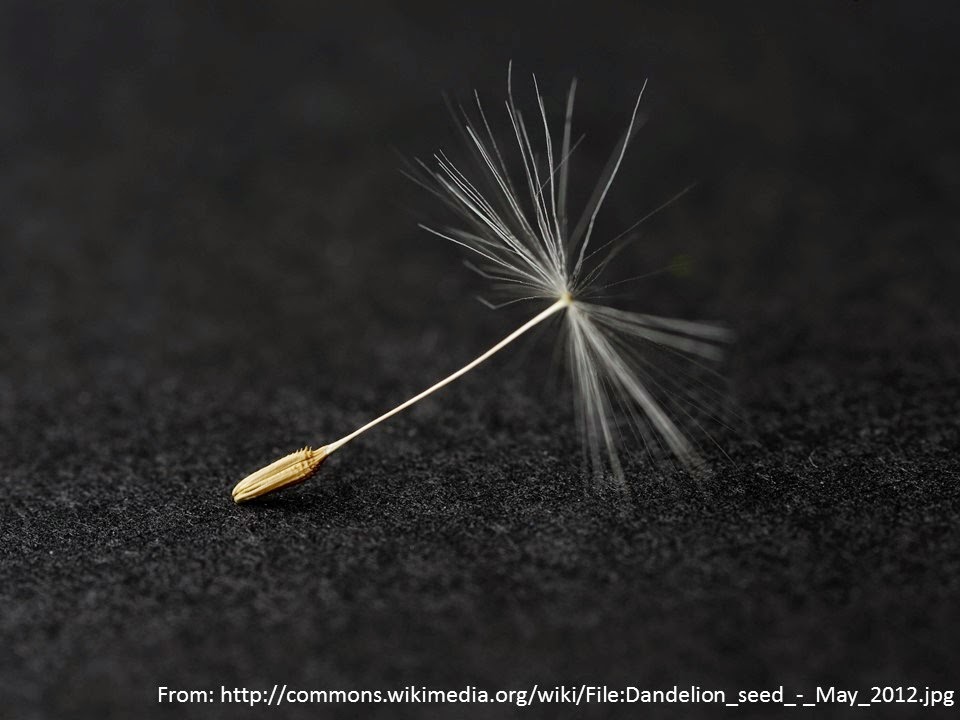
Dandelions typically flower from late April to mid-May in Indiana. Yellow flowers consisting of sunflower-like petals, are produced at the ends of long, leafless, erect stalks. Dandelions typically flower in their second year of growth after germination from seed. Yellow-brown fruit (flowers) are formed into a conspicuous, globe-like, white seedhead with light, feathery ends capable of easy dispersal by the wind. Each seedhead is capable of producing 140 to 190 individual viable seed, which helps to contribute to the vast populations of dandelion located in lawns throughout the Midwestern United States. Dandelion seeds germinate in emerge from late spring (after flowering and seed dispersal) to early autumn.
Dandelion may often be mistaken for chicory since both form toothed leaves that form from a basal rosette. However, the basal leaves of chicory tend to be rough to the touch with distinct, coarse hairs. Additionally, the toothed lobes of chicory are often alternately arranged on the leaf and point both backwards and forward, while the toothed margins of dandelion are located opposite of each other on the leaf and predominantly point backwards. The most distinct difference between the two plants is that dandelion produces yellow flowers while the flowers of chicory are purplish-blue in color.