
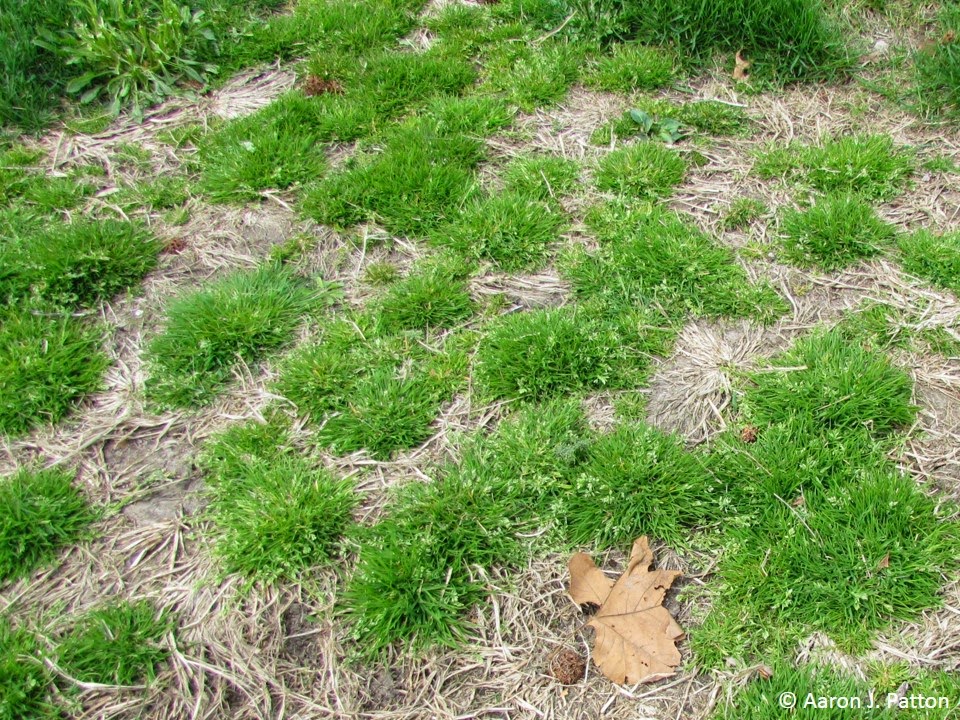
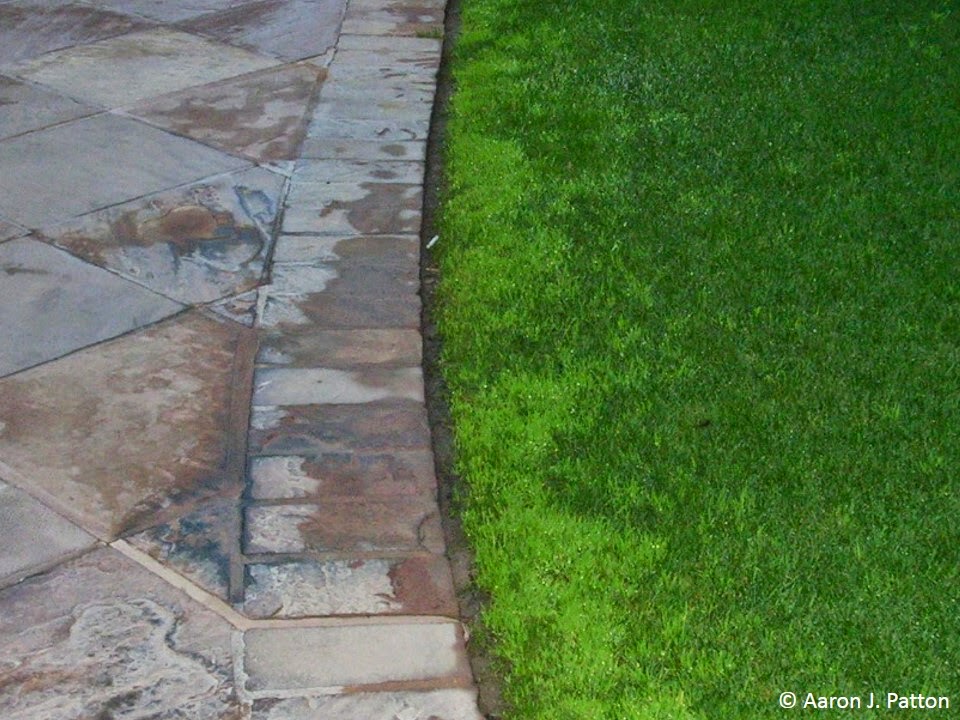
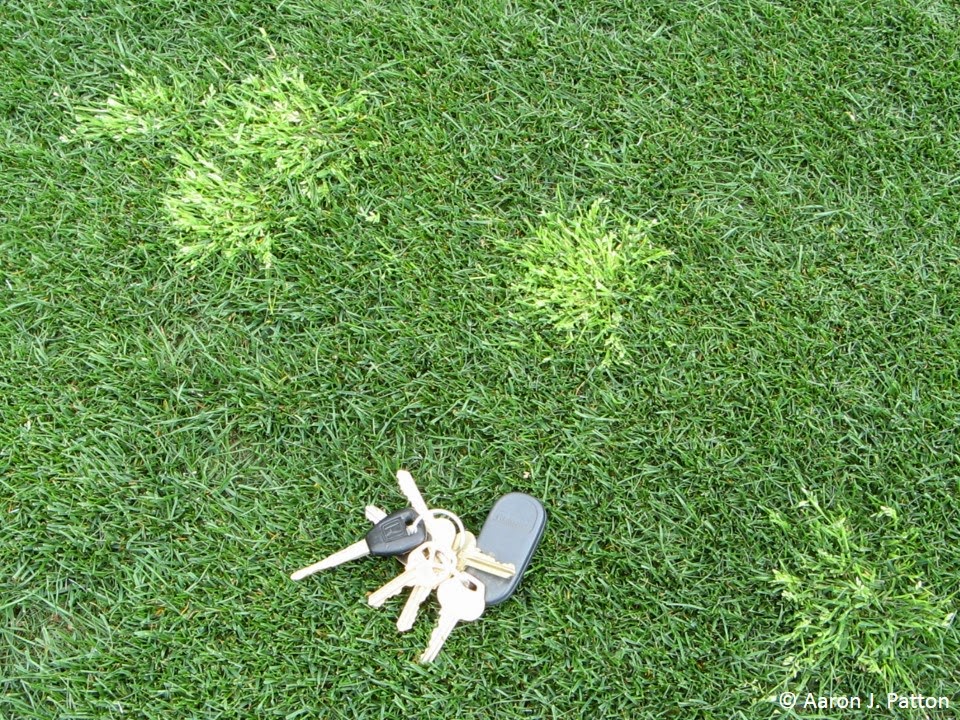
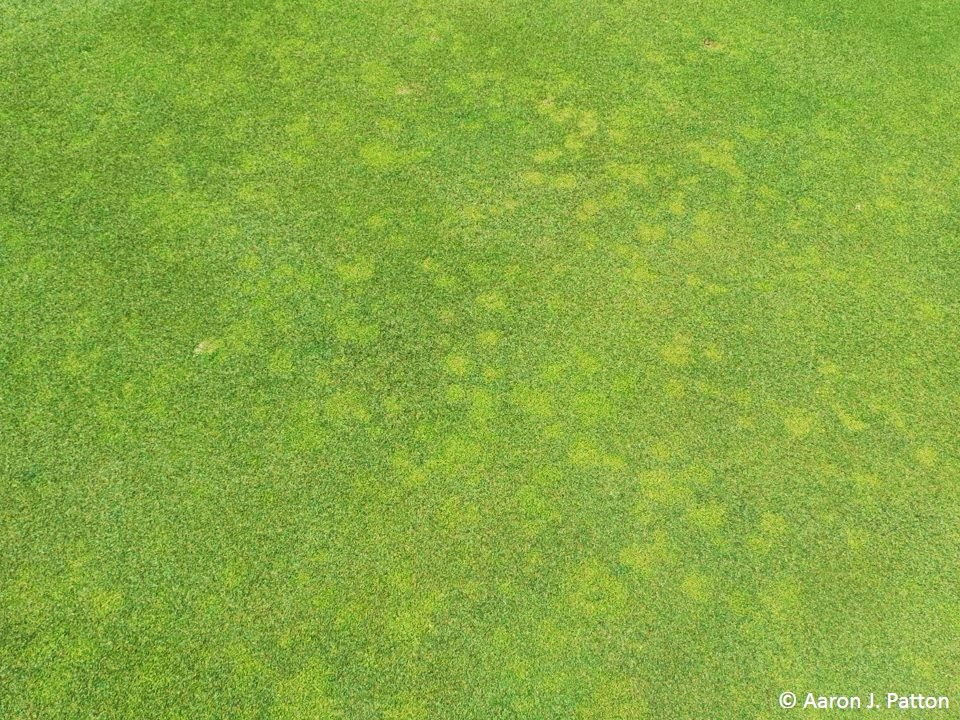
Biology: Annual bluegrass, commonly referred to by its scientific name Poa annua (sometimes pronounced Po anna on TV), is a winter annual grass that is a difficult-to-control weed in turf. Seeds germinate in late summer, early autumn, and spring. Annual bluegrass is found throughout the United States, particularly in highly compacted, excessively wet soils. Despite having a bunch-type/clumping growth habit (some biotypes have short stolons), it can withstand extremely close mowing heights; thus, allowing the weed to successfully establish in home lawns and other high maintenance turf, such as golf courses or sports fields.
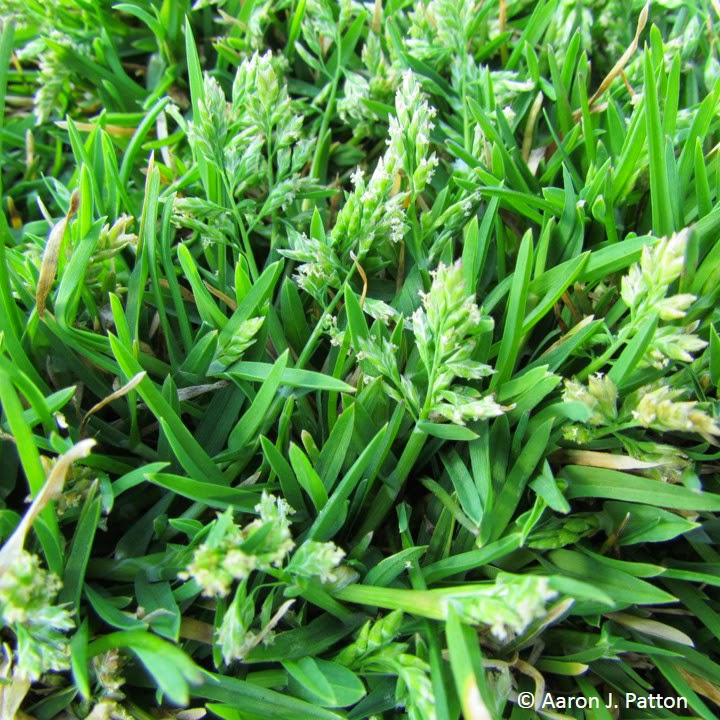
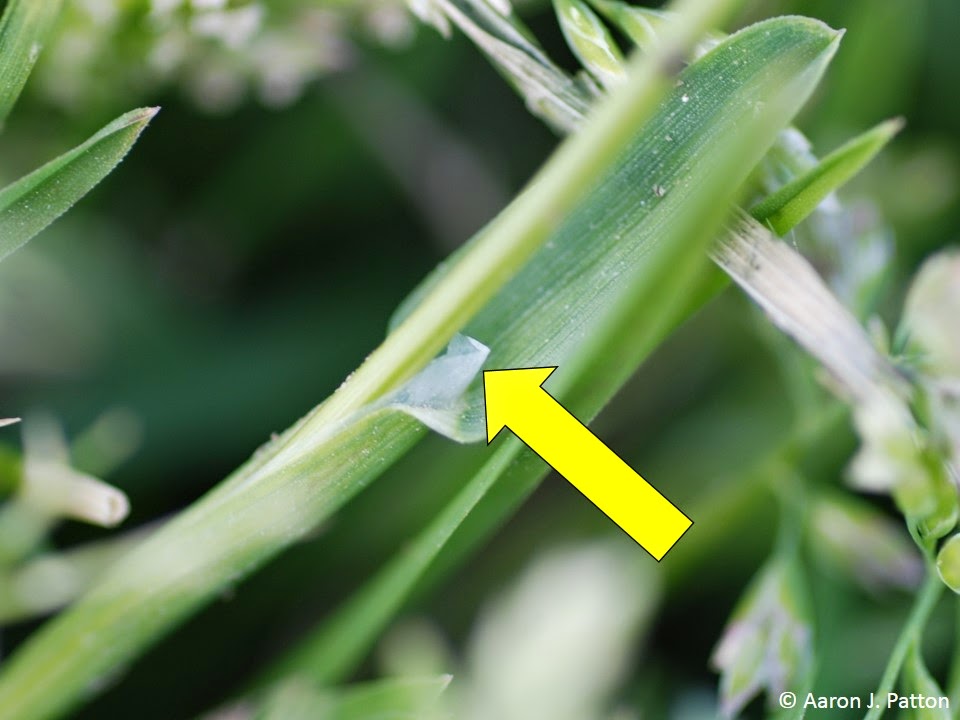
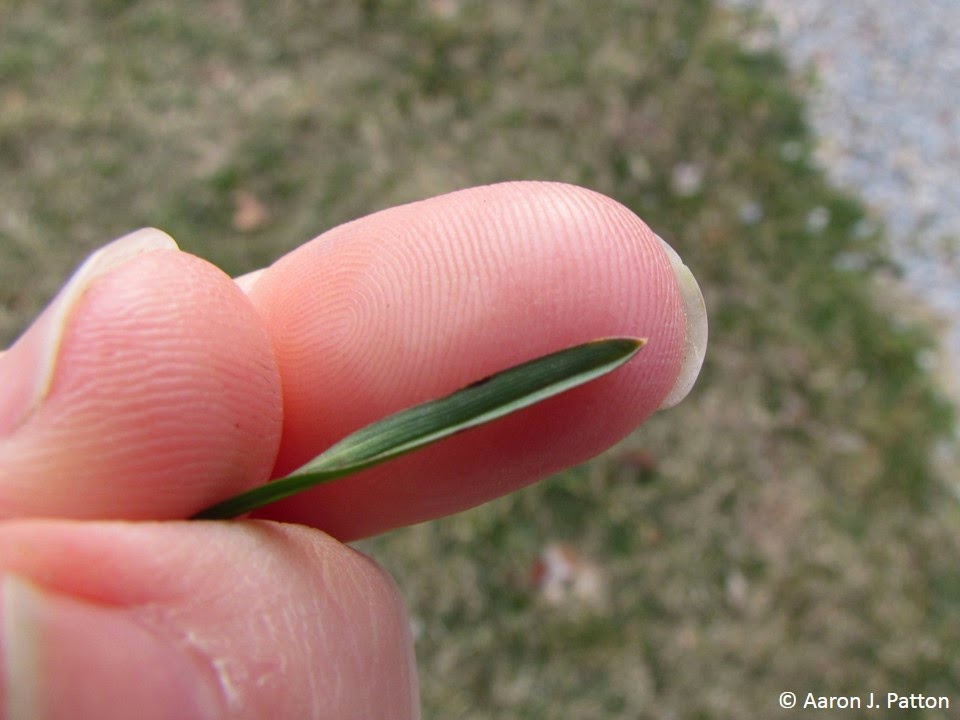
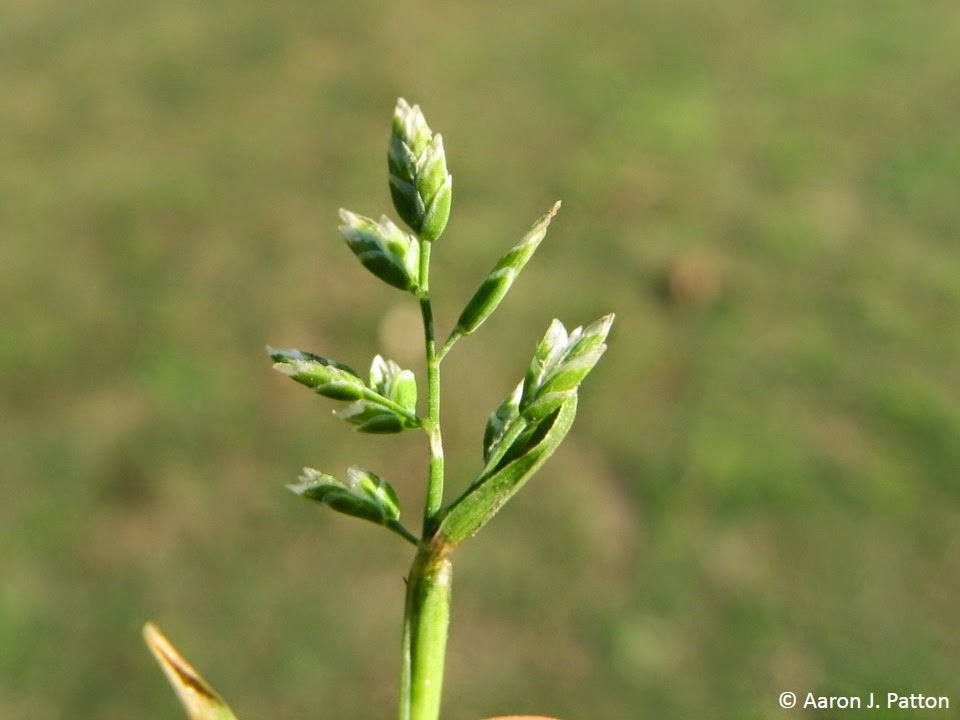
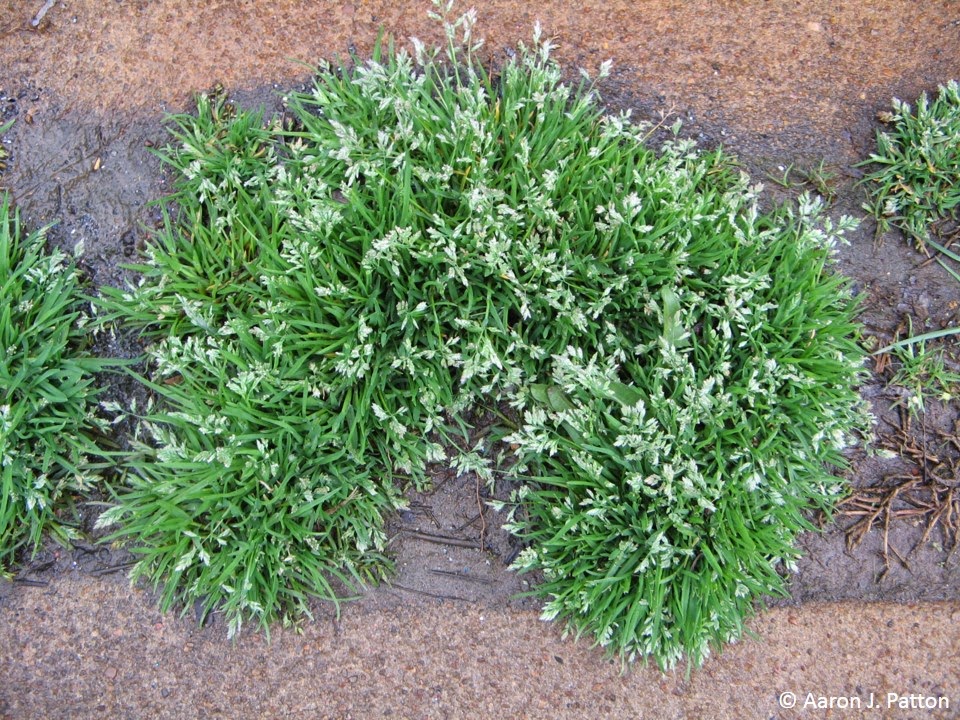
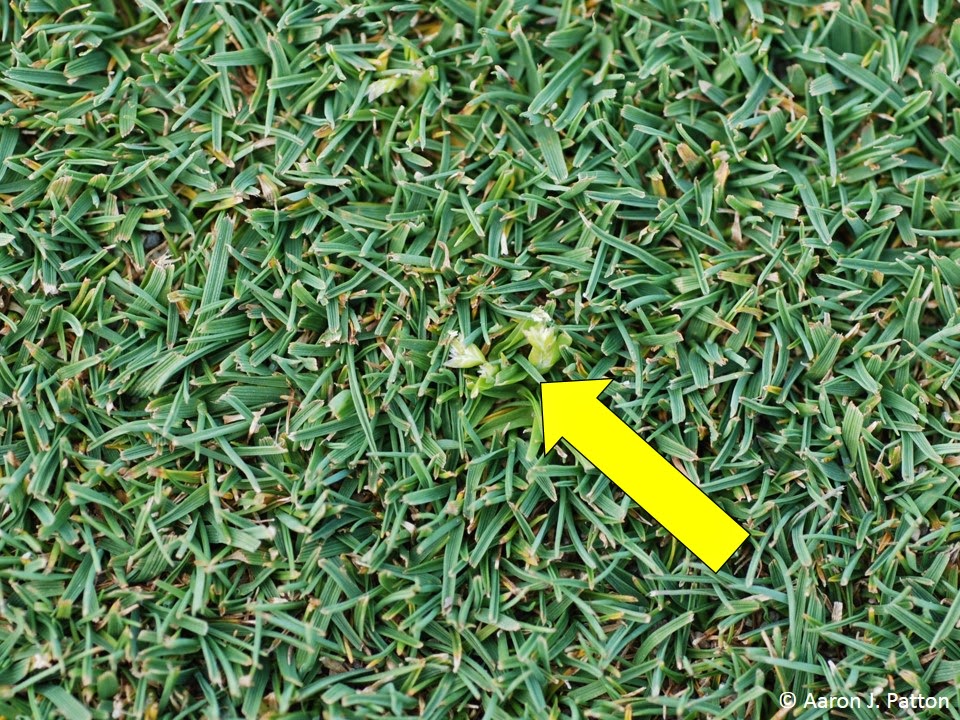
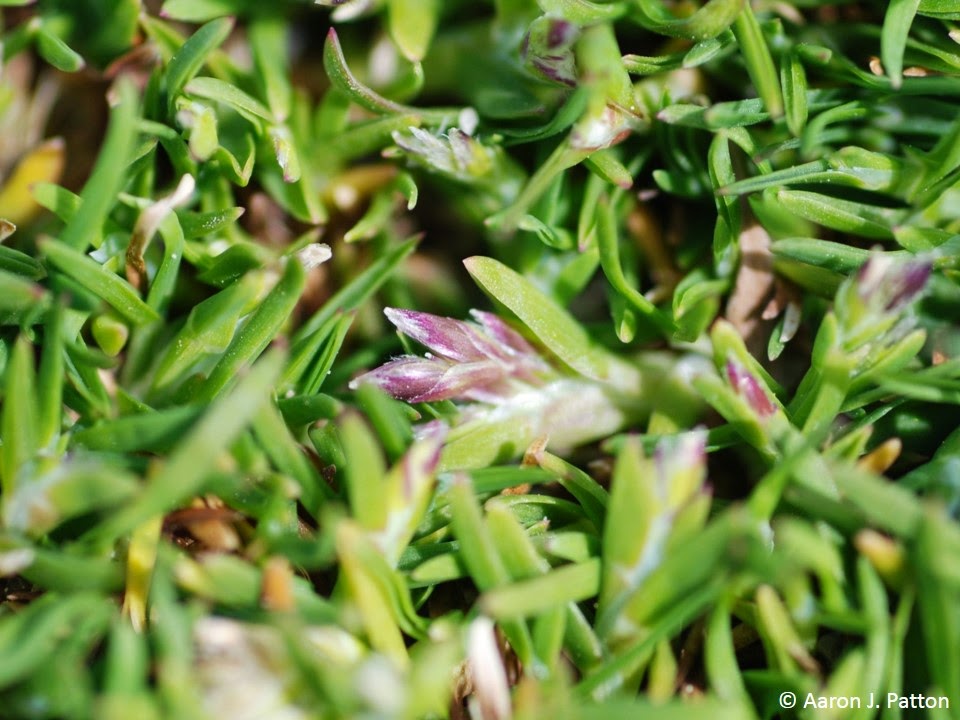
Identification: Annual bluegrass is an upright, clump-forming grassy weed that expands through the development of aggressive tillers. It is generally identifiable by its light green leaf blades that are smooth on both surfaces, have two distinct, clear lines on each side of the midrib, and a boat-shaped leaf tip. Annual bluegrass also has a slightly pointed, membranous ligule. One of the factors that makes annual bluegrass so difficult to control is its ability to produce a large amount of seedheads, even at putting green mowing heights. These seedheads can be observed as a greenish to white, open, pyramid-shaped panicle. A single annual bluegrass plant is capable of producing up to 360 viable seed that have the ability to lie dormant in the soil for many years before finally germinating.
To keep annual bluegrass out of your home lawn.
- Do not over-water yours lawns as annual bluegrass likes moist areas.
- Do not compact your soil through traffic where possible and aerify your lawn to reduce soil compaction as annual bluegrass grows well in thin, compacted areas.
- Maintain dense turf through fertilization, overseeding, and weed control (crabgrass and broadleaf weeds).
- Mow your lawn at higher heights of cut (>2.5 inches) as annual bluegrass is less competitive at a higher cutting height.

