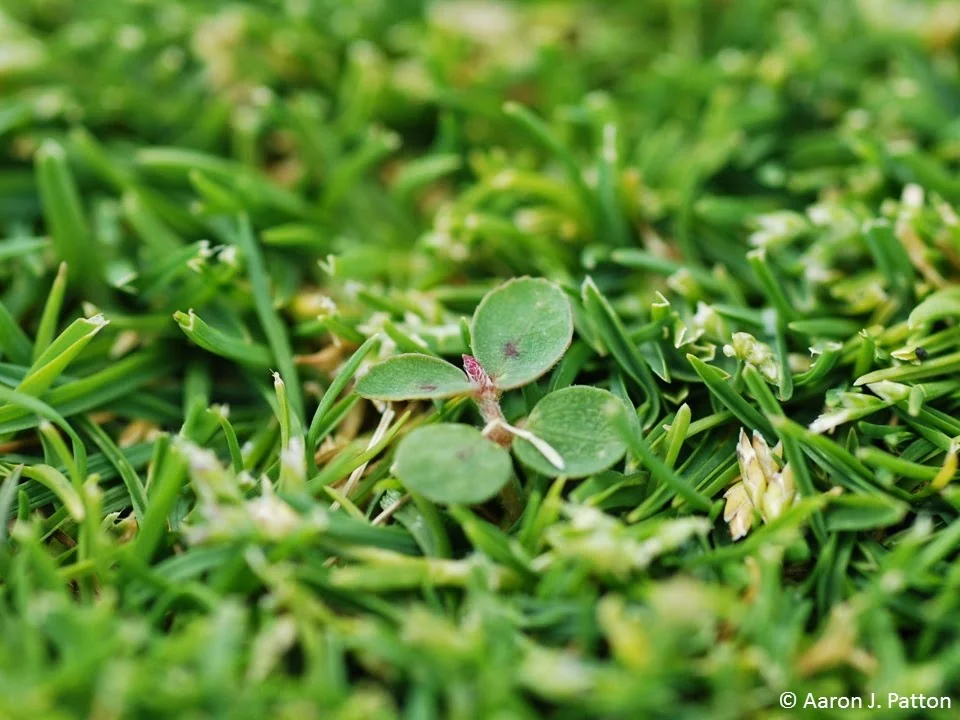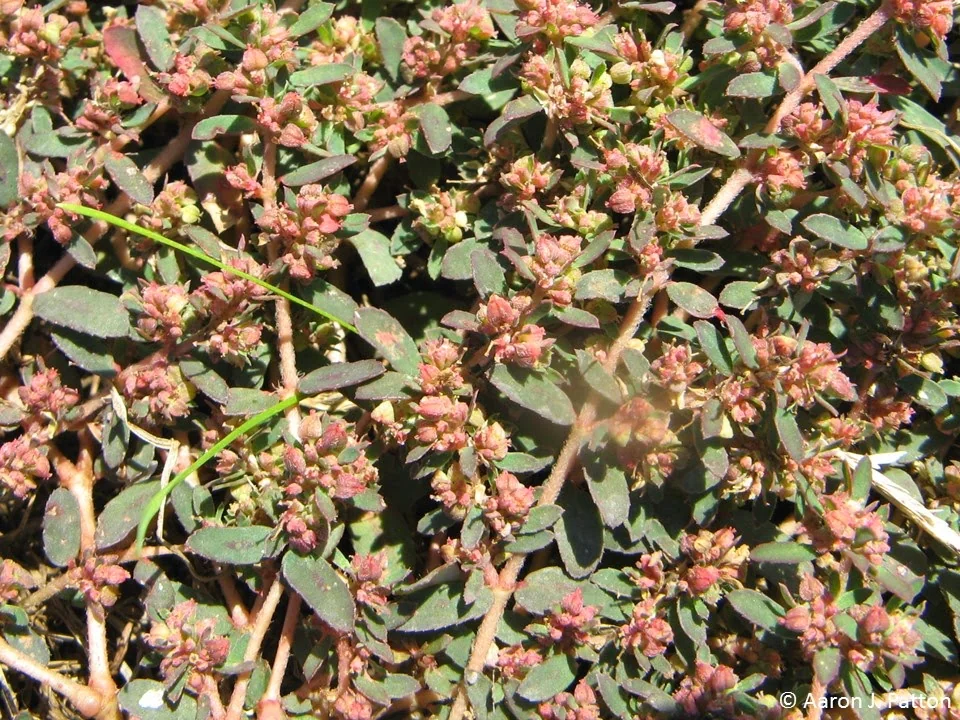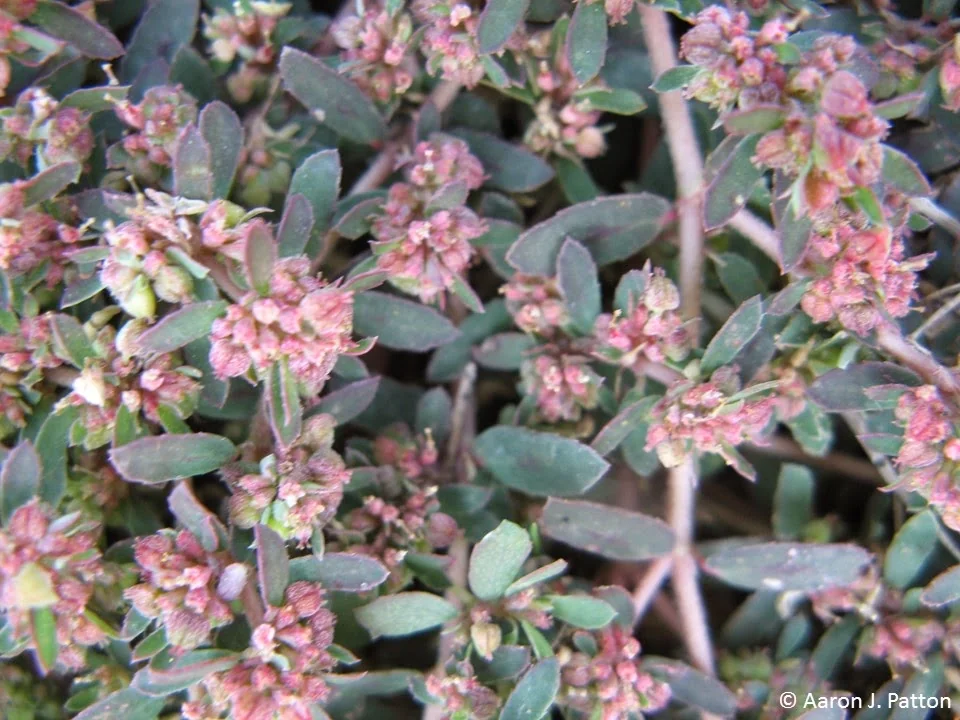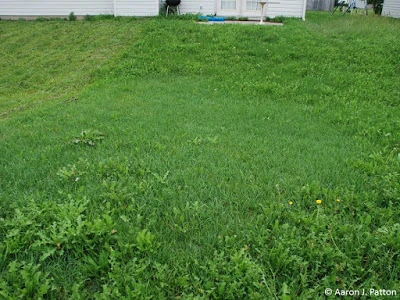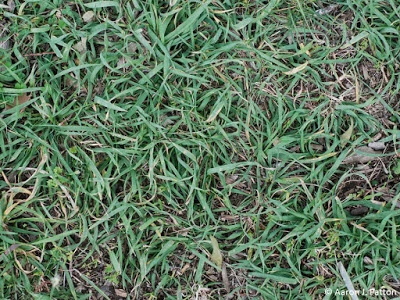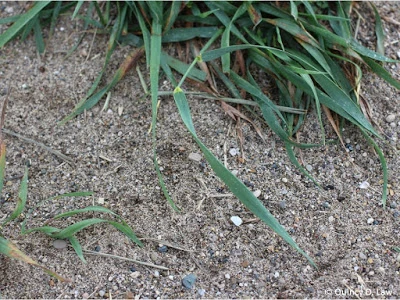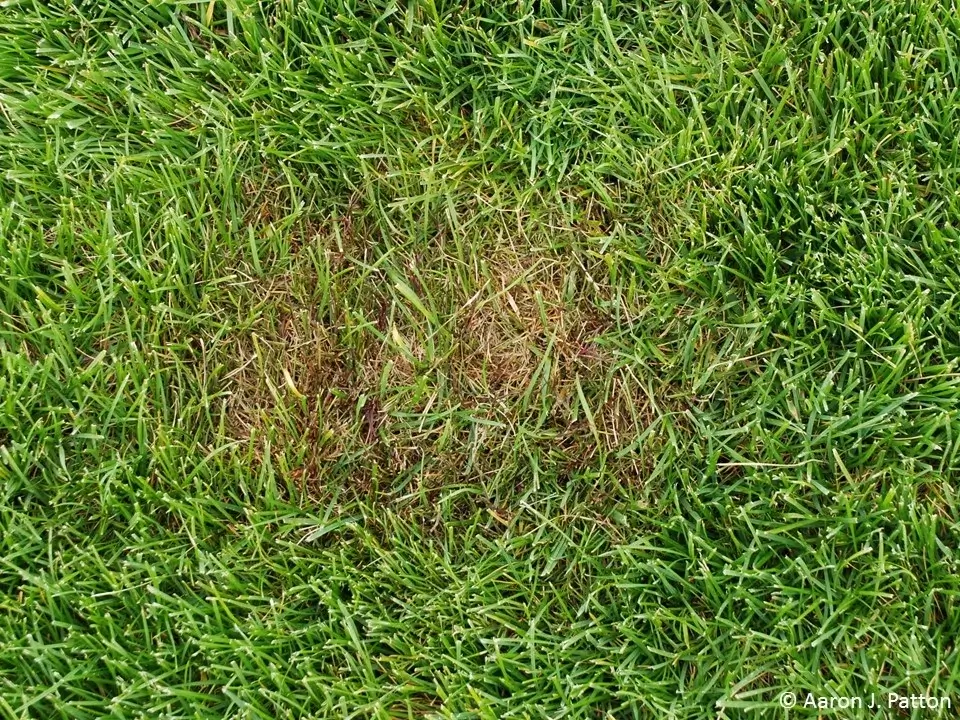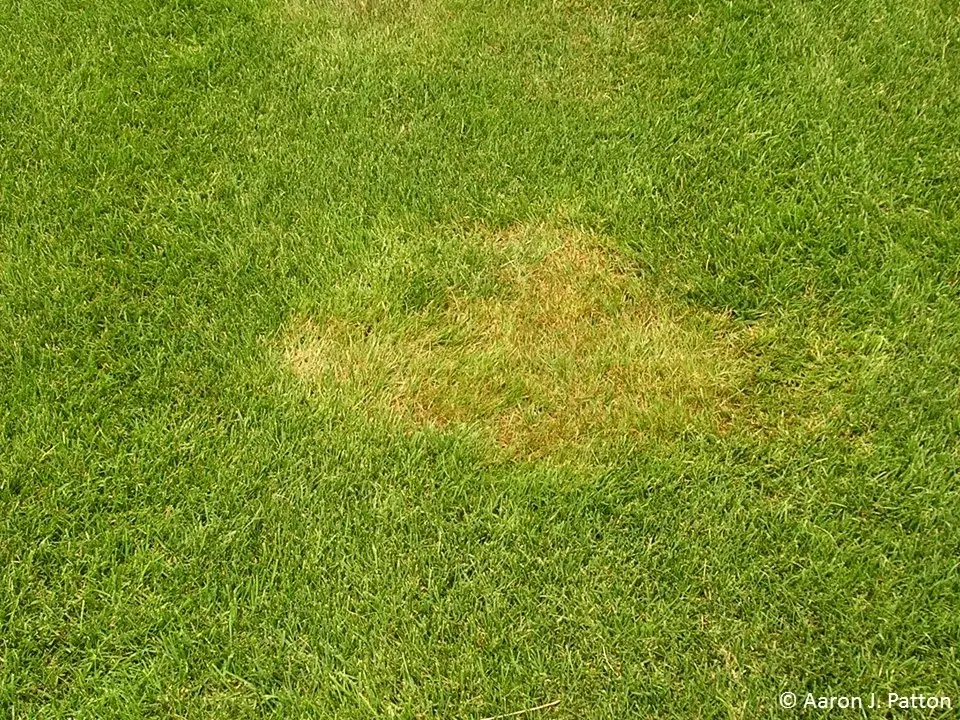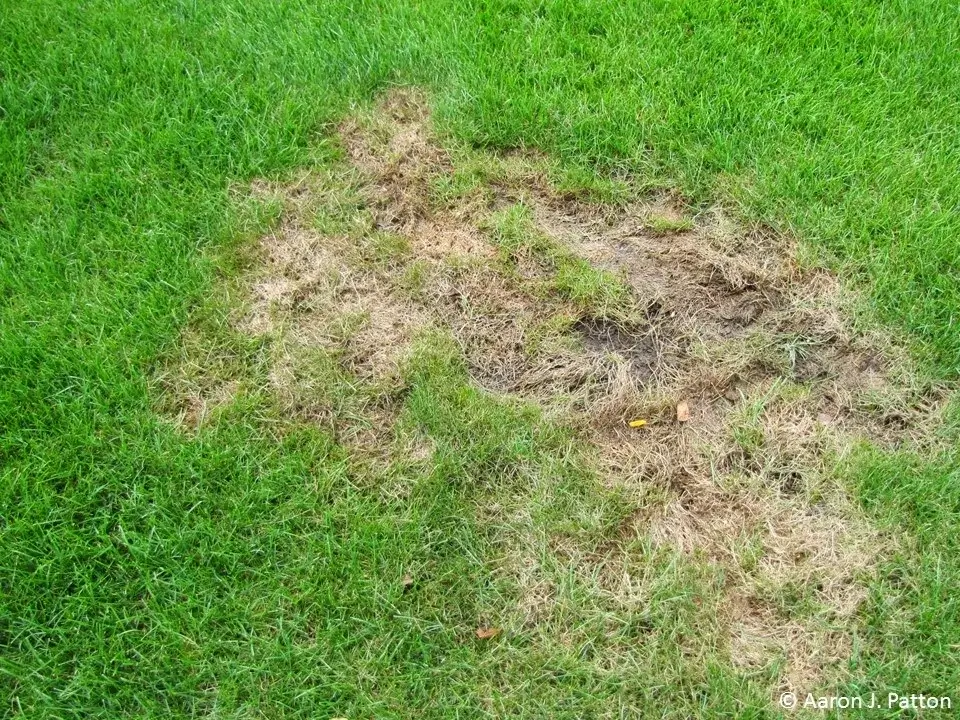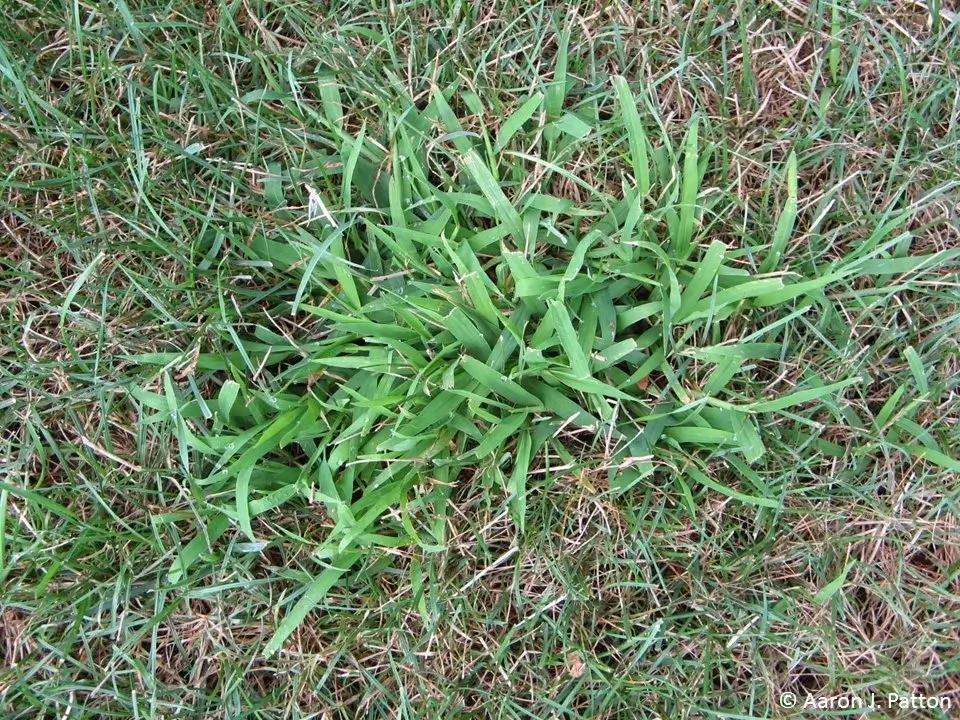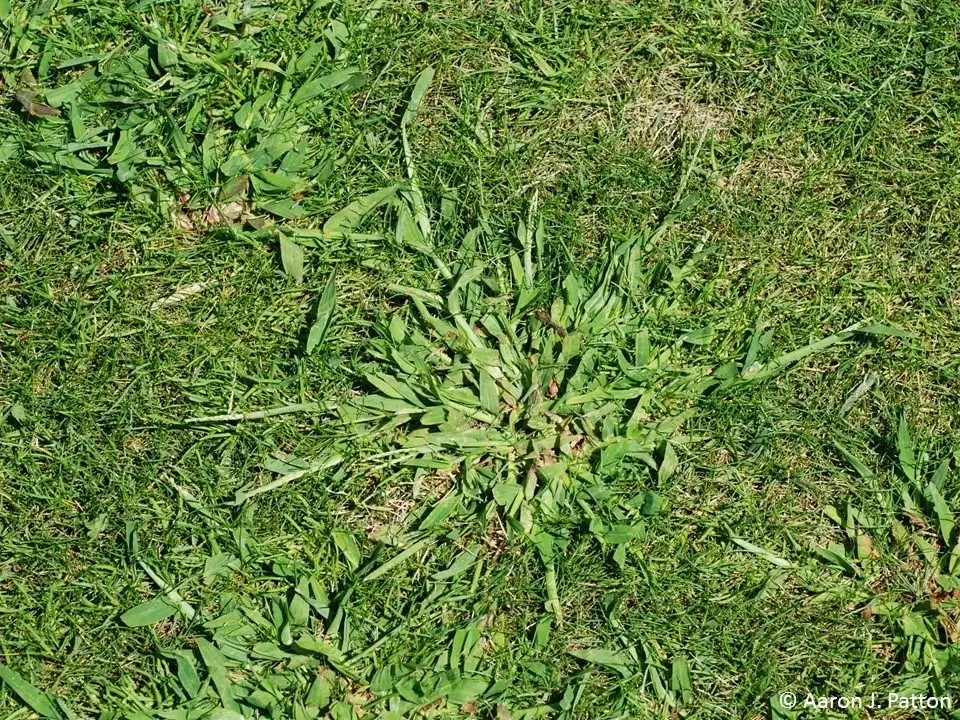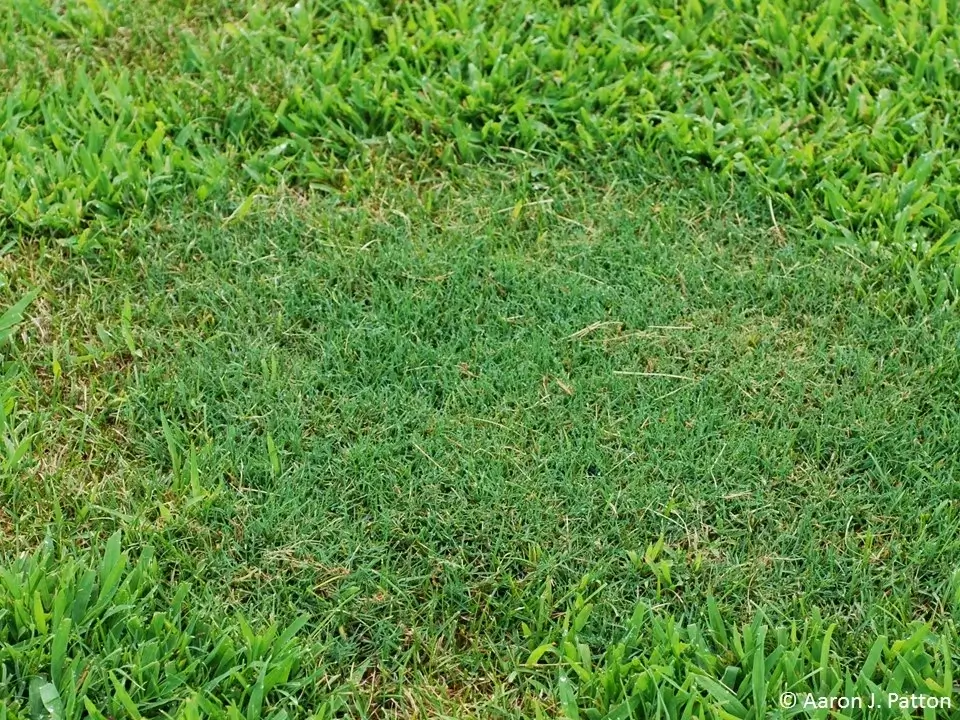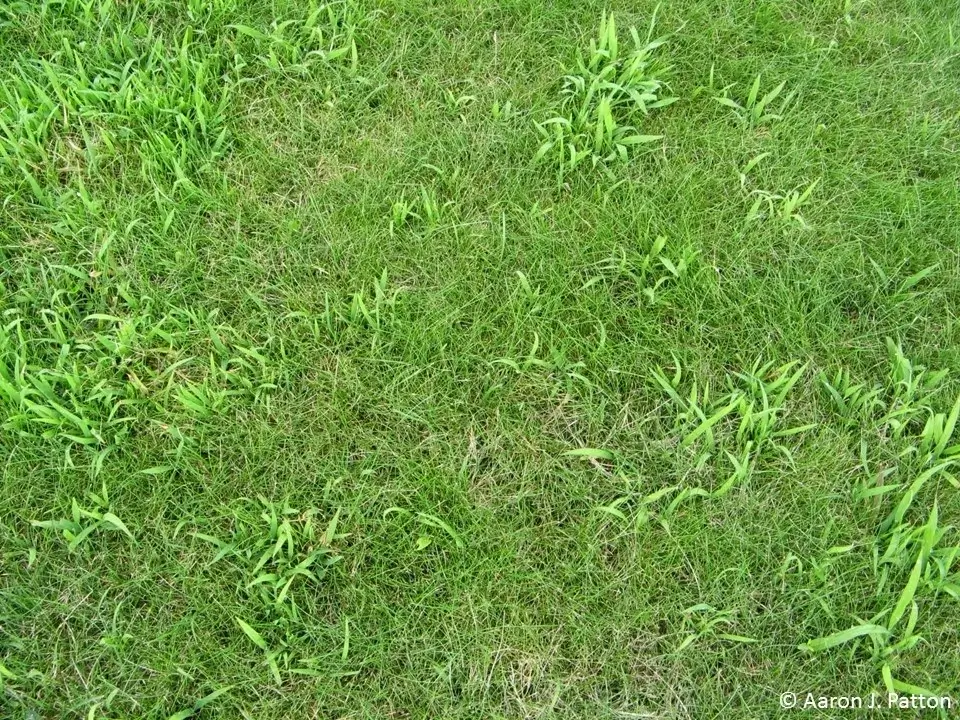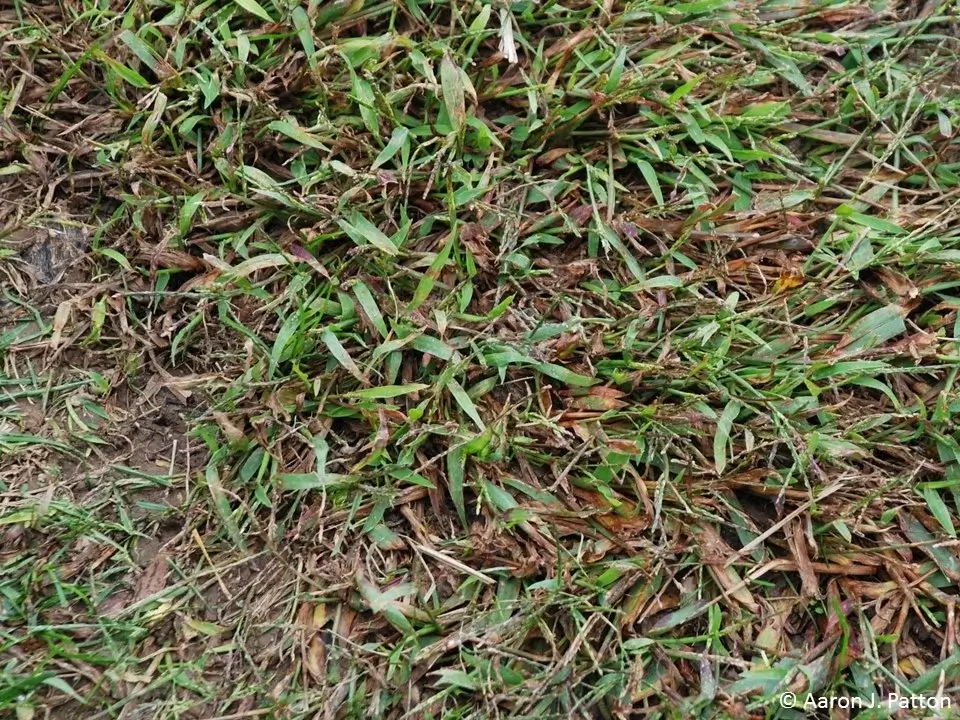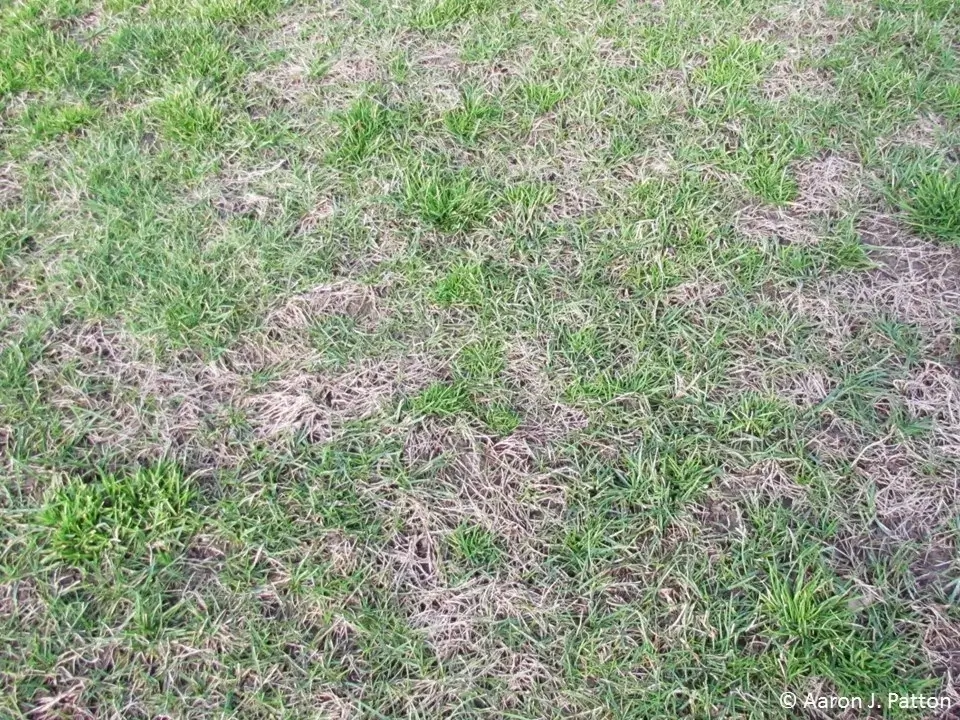
Prostrate Knotweed

This post kicks off a new series that we will be posting via turf tips called, “Weed of the Month”. In each post we’ll discuss a timely weed (one that you’re seeing at that particular time of year) and we will highlight its biology, identification, and control.

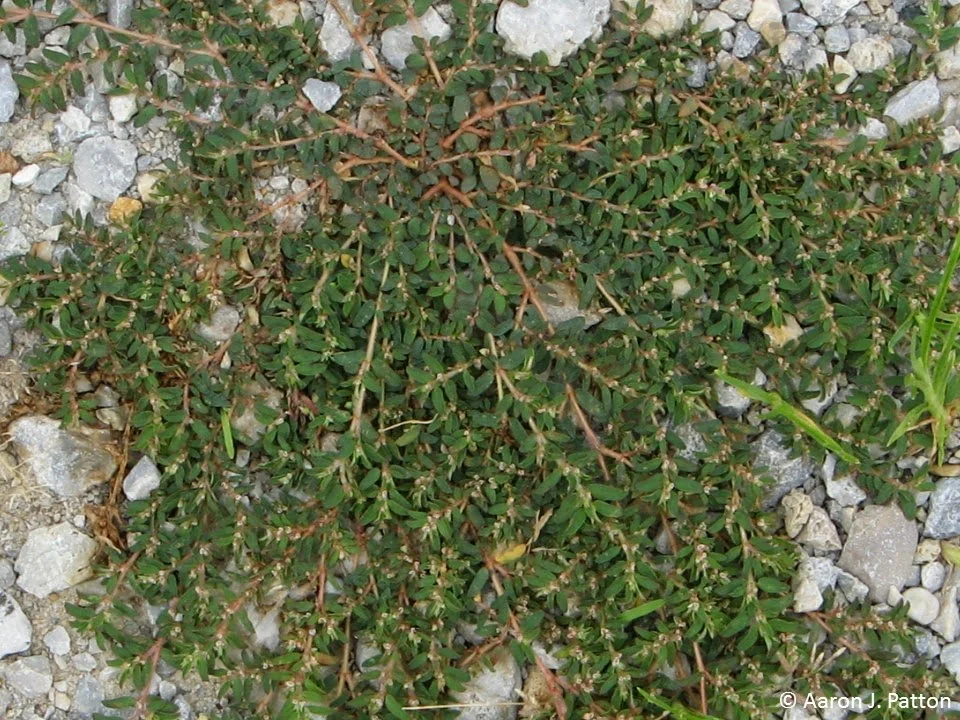
February’s weed of the month is Prostrate Knotweed
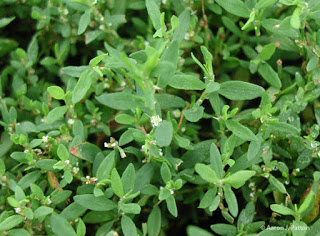
 

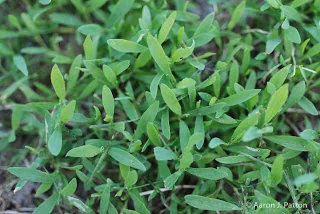
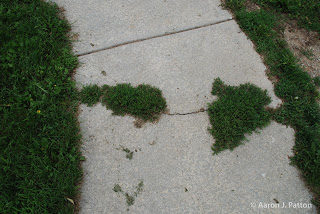
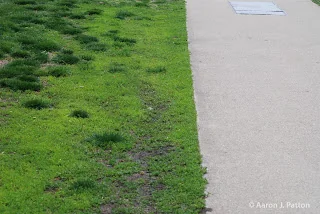
Biology: Prostrate knotweed (Polygonum aviculare) is an early germinating summer annual broadleaf that is often found in low-oxygen soils, including compacted areas next to sidewalks and previously flooded areas. Germination starts in late February and early March in many Midwest states.

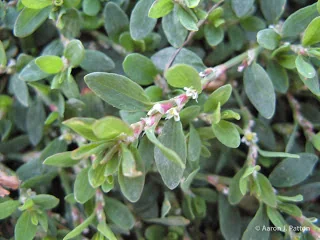
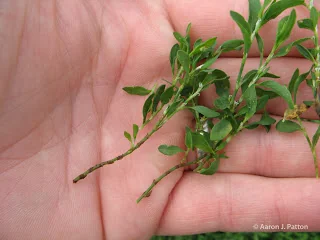
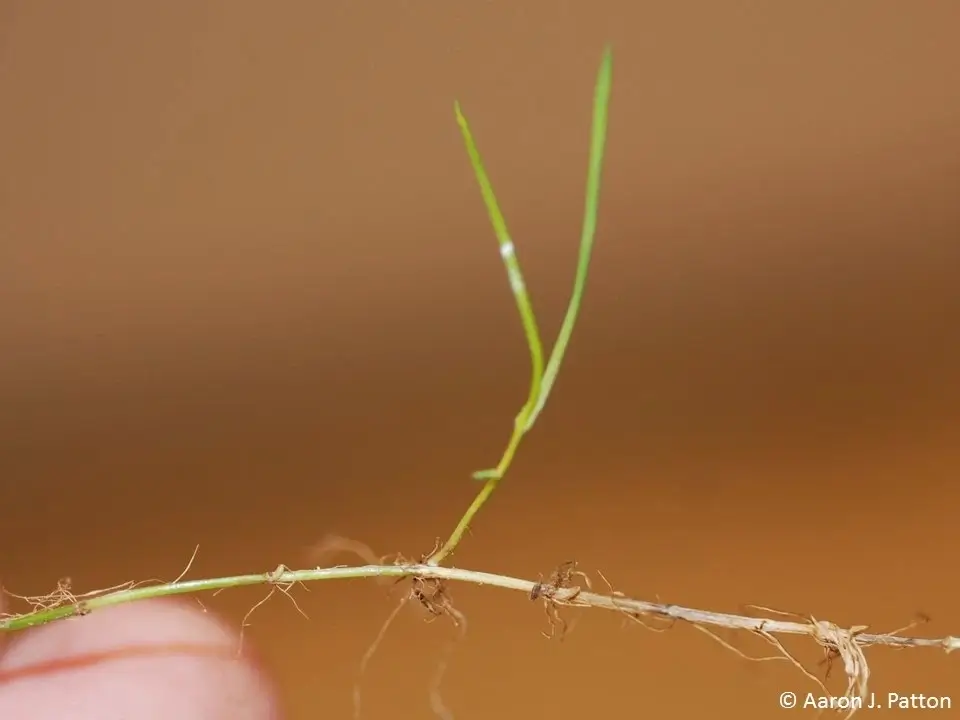
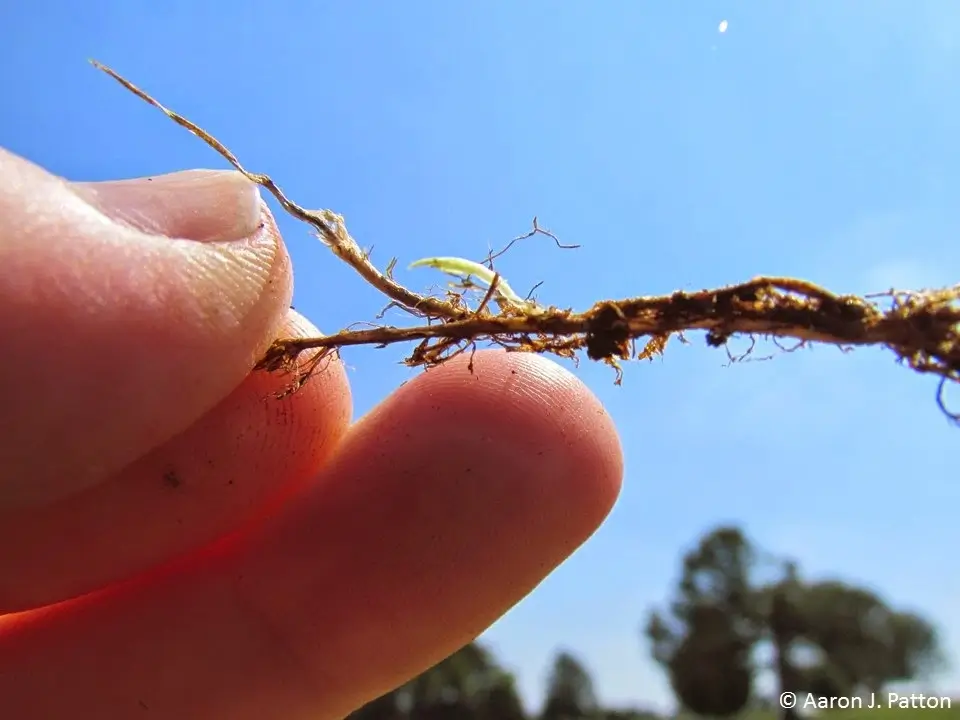
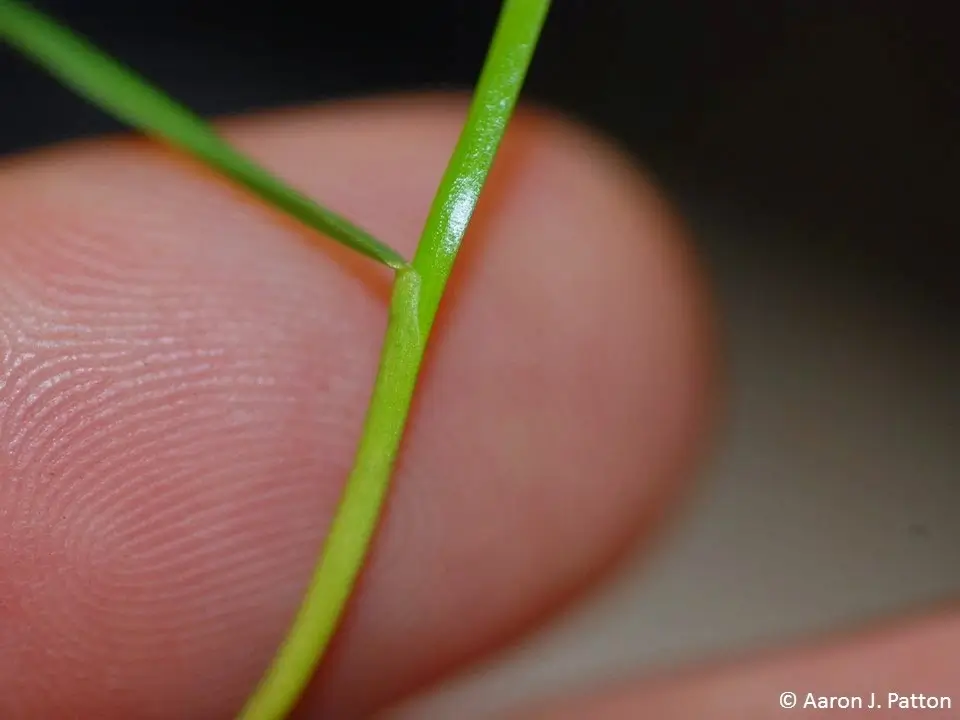
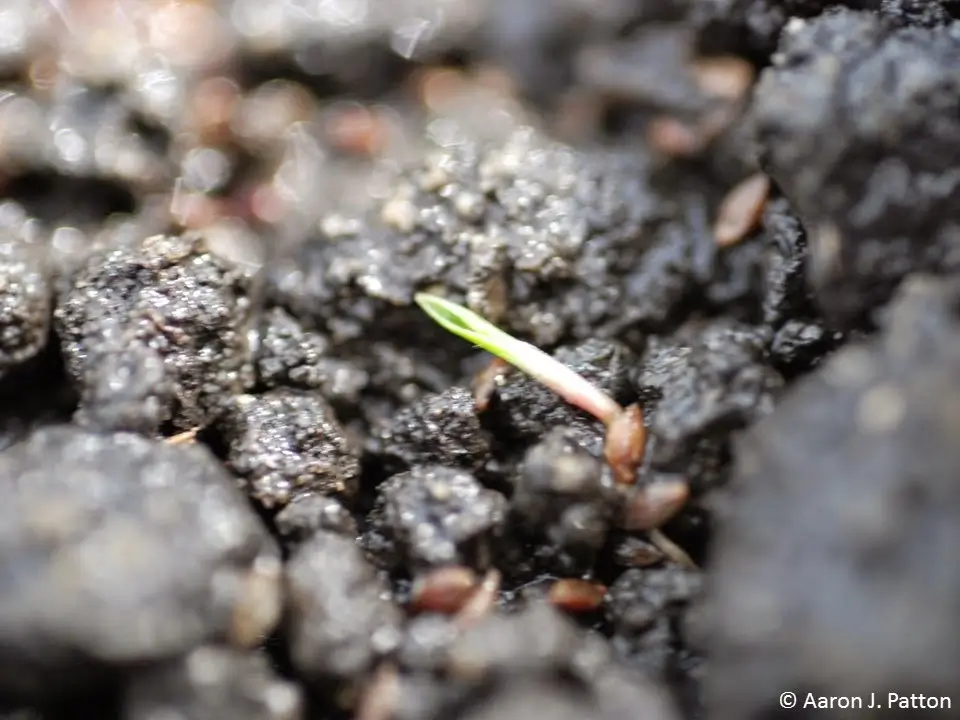
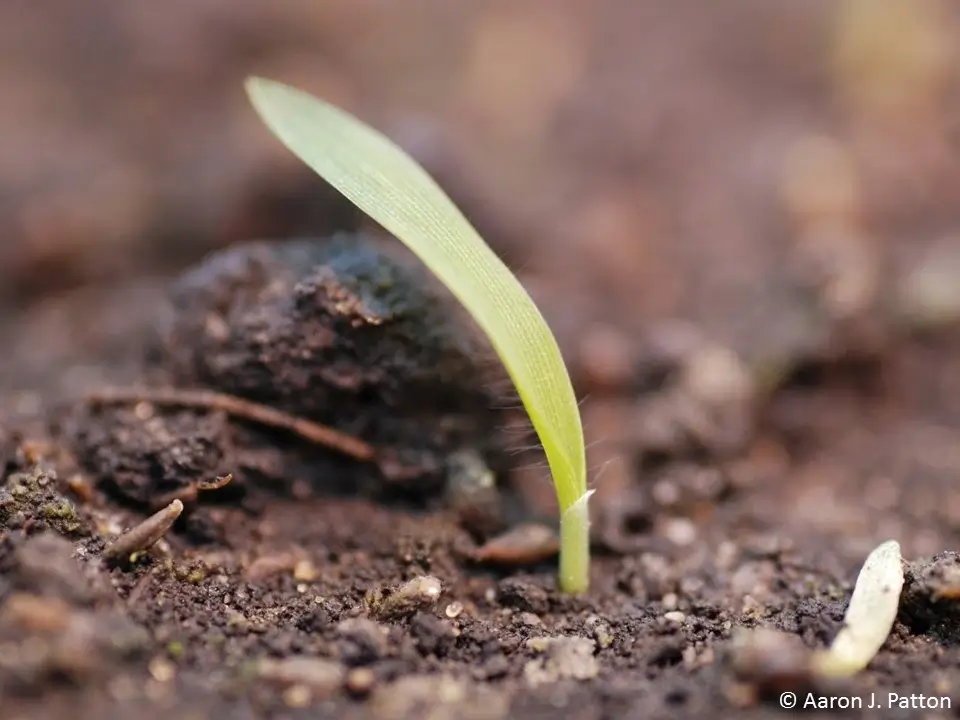
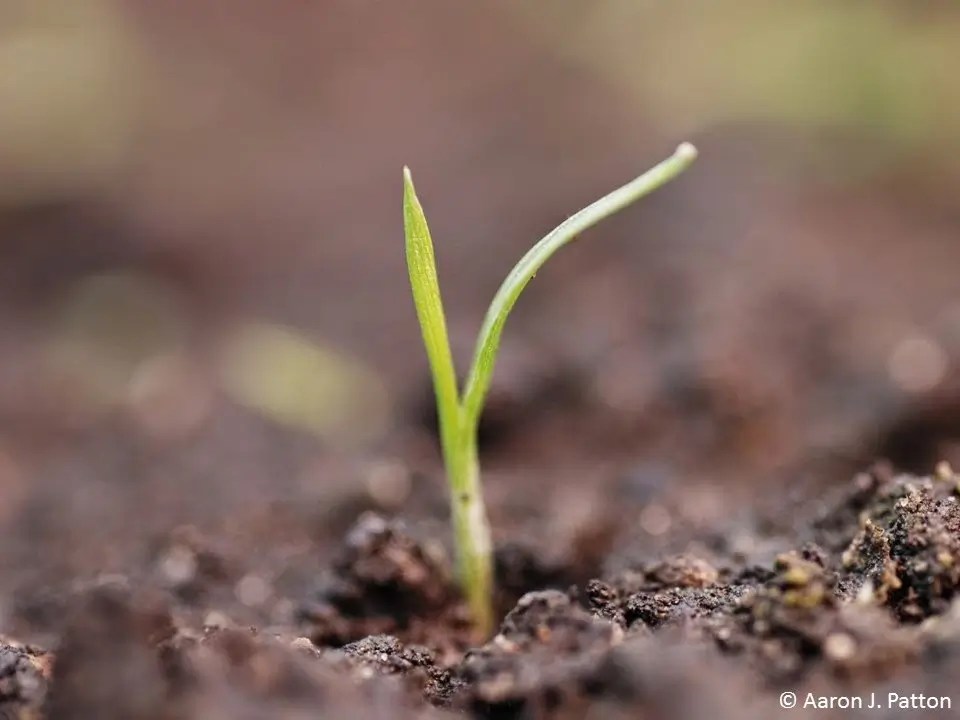
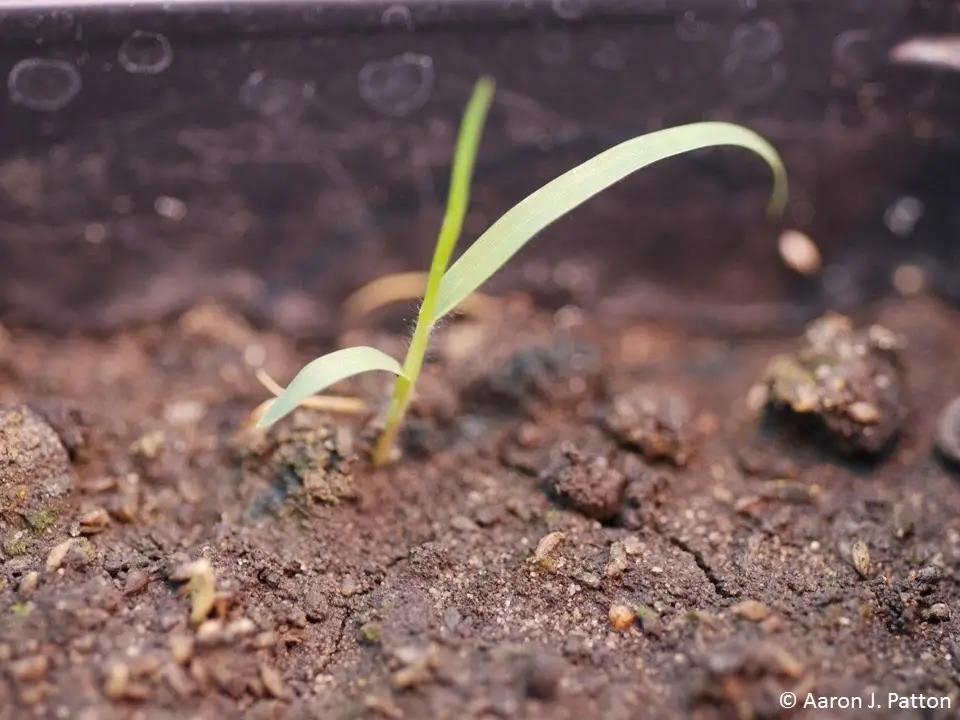
Identification: Prostrate knot weed is the earlier summer annual weed to germinate in Indiana. Look for it first next to driveways and sidewalks. First germination has been in late-February or the first week of March the past three years in Indiana. Initial germinating weeds have a red hypocotyl.
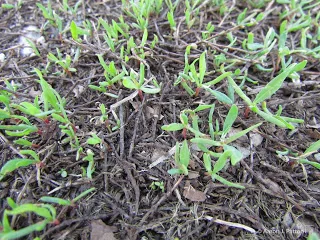
The seed leaves (cotyledons) are very narrow and it almost appears to be a germinating grass upon first inspection.
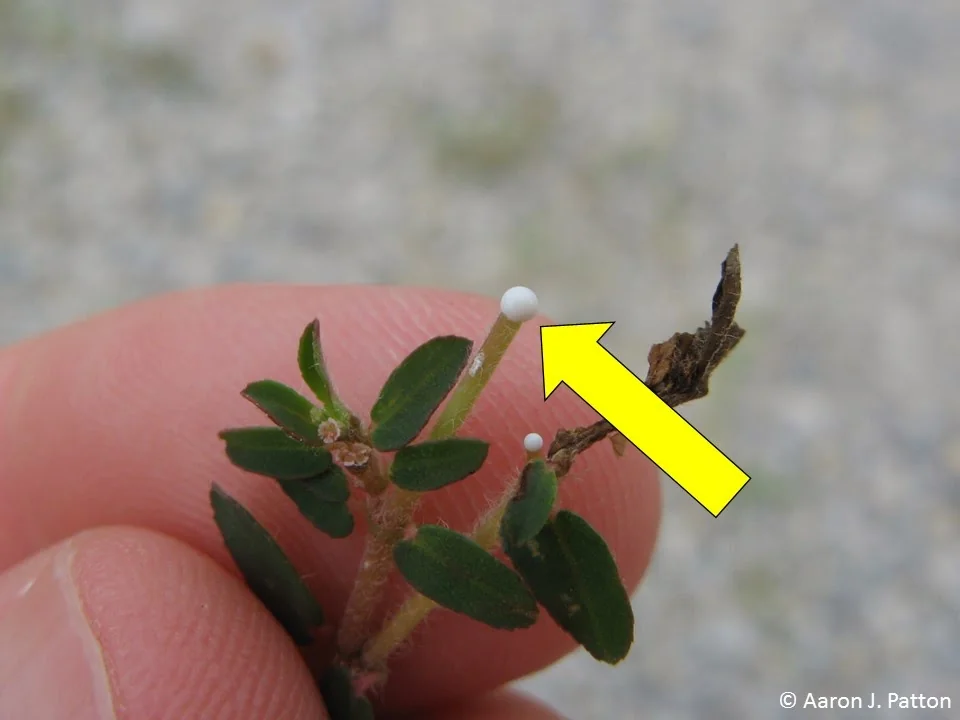
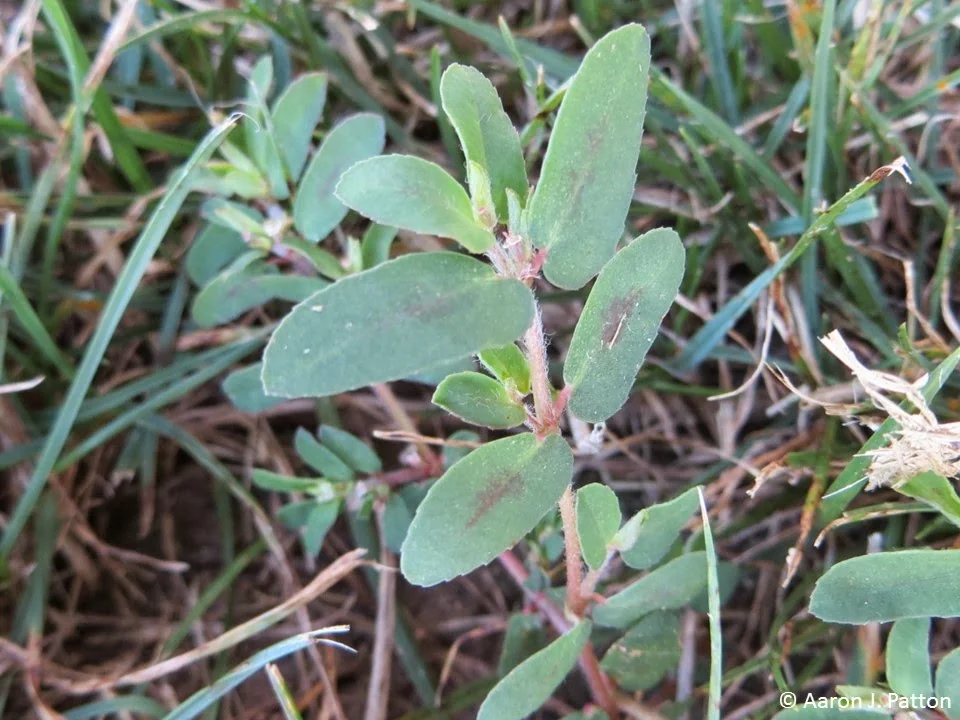
As the plants mature they become tough, wiry, and prostrate in growth. This plant develops a thin taproot. It can be distinguished from prostrate spurge which exudes a milky white sap when it’s stem is broken.

Cultural control: Reduce soil compaction through aerification and improve drainage in areas prone to flooding.

Biological control: None known.

Chemical control: 2,4-D by itself will provide only fair control of prostrate knotweed, but when combined with triclopyr (Turflon Ester Ultra or Triclopyr 4) or dicamba (Banvel, Vanquish), it should provide excellent control in cool-season turf. There are many combination products that contain 2,4-D and dicamba, including Trimec 992 and SpeedZone. Combination products that contain 2,4-D and triclopyr include 4-Speed XT, Chaser, Chaser 2 Amine, Momentum FX2, Turflon II amine, and TZONE.

In warm-season turf, metsulfuron (Manor, Mansion, MSM) or the herbicides listed above will provide effective postemergence control of prostrate knotweed.

Preemergence control of prostrate knotweed can be achieved with late fall (November or December) applications of isoxaben (Gallery, Isoxaben 75WG). Other preemergence herbicides will also work, but are less effective than isoxaben. You can apply isoxaben in late winter, but spraying conditions are not typically favorable at that time of year and it is difficult to predict exactly when prostrate knotweed might germinate although it is usually in early March.

Aaron Patton, Turfgrass Extension Specialist
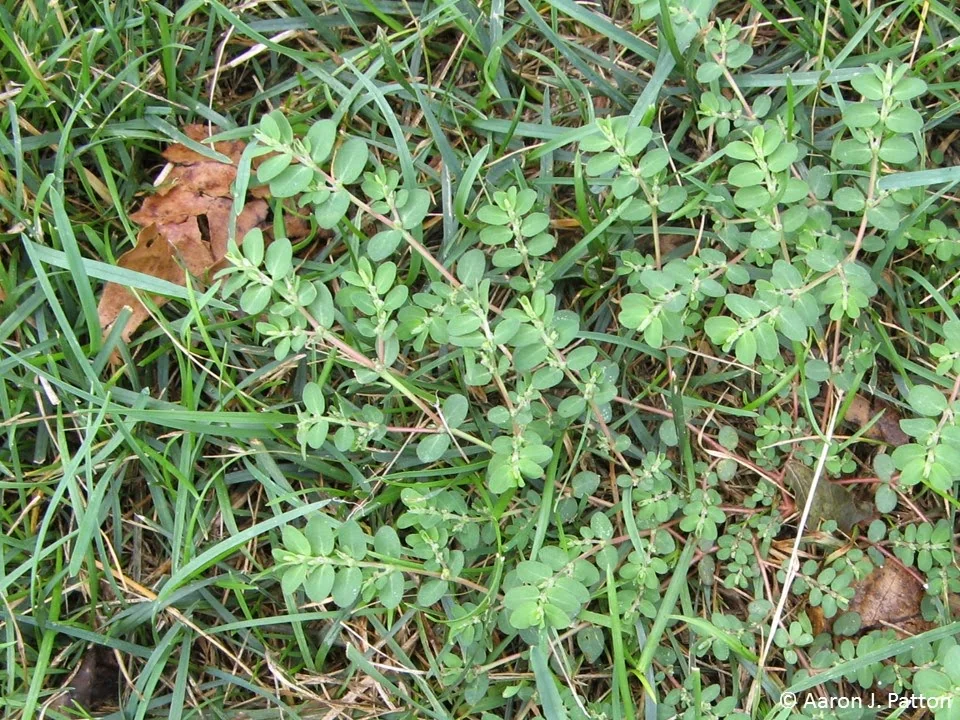
Prostrate Spurge

Biology: Prostrate Spurge (Euphorbia humistrata) is a summer annual broadleaf weed that can be found in dry/sandy and/or nutrient-poor soils along with compacted, weakened or disturbed turfgrass and landscape sites. Look for it first in driveways and sidewalks or in potted plants in a landscape or nursery as temperatures start to get warmer. Prostrate spurge can also be found in cultivated fields, brick walls, and parking lot cracks. It germinates from seed in June and July in Indiana and spreads via low-growing prostrate stems than form a dense mat as they invade the turf canopy. Its ability to establish and grow in multiple soil/climate conditions and highly compacted soils, as well as its ability to withstand low mowing heights, make prostrate spurge a common turfgrass weed throughout the state of Indiana.

Identification: Prostrate spurge is a low-growing summer annual weed in Indiana. The plant is anchored by a central shallow taproot and, as suggested by its common name, it forms a ground-hugging mat with prostrate stems that grow outward throughout the turf canopy. The plant produces these spreading stems along with viable seed very quickly, often within a couple of weeks after germination.

The leaves of prostrate spurge are pale green, hairy, egg-shaped, widest at the apex, and located opposite of each other on the stems which are pinkish in color and distinctly hairy. Prostrate spurge continually flowers from July to September and produces large quantities of viable seed throughout its life cycle. These flowers are small but numerous, originate from the base of leaves located on the upper-stem, and are composed of several male and female flowers within a cluster. It produces a fruit that consists of a 3-lobed, 3-seeded capsule with stiff hairs on its surface.

Prostrate spurge is very difficult to distinguish from other spurge species, particularly spotted spurge (Euphorbia maculata). In fact, some taxonomists consider the two plants to be the same species. An identifying characteristic of both species is a small reddish-brown splotch at the mid-vein/base of the leaves which acts almost as a camouflage; thus, making the weed difficult to distinguish from the desired turf. The primary difference between these two species is that spotted spurge leaves are often darker in color and the nodes do not produce roots when they come into contact with the soil.

Additionally all spurges exude a milky/white sap when damaged that can be toxic to animals if ingested.

Cultural control: None known specifically for prostrate spurge. Proper turf management such as adequate mowing heights, irrigation, and fertilization will help to produce a dense, aggressive turf which is the greatest defense against invading weeds. Prostrate spurge also thrives in compacted soils; thus, soil cultivation (hollow-tine aeration) may aide in management of the weed. Due to its shallow taproot, prostrate spurge can often be hand pulled when populations are small enough; however, it is important to remove weeds as soon as possible due to its ability to produce copious amounts of viable seed very quickly after germination.

Biological control: None known specifically for prostrate spurge.

Chemical control: Control options for prostrate spurge can include both pre- and postemergence herbicides. Preemergence control can be achieved with spring applications of isoxaben (Gallery, Isoxaben) prior to germination in summer. Dinitroaniline herbicides (such as Barricade, Pendulum) can also be applied for prostrate spurge control though the results are often less consistent than applications of isoxaben.Once spurge germinates, control in cool-season turf can be achieved with applications of two- or three-way mixtures of 2,4-D, dicamba, MCPP, or MCPA which are available in multiple product formulations at local retailers. Repeat applications may be necessary due to the germination of new seedlings.

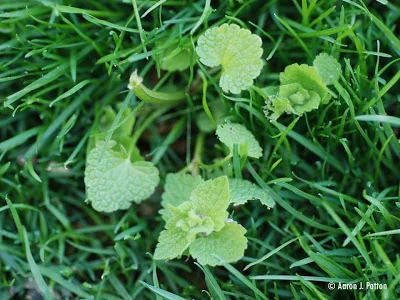
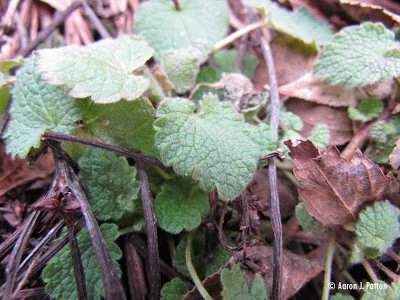
Purple Deadnettle

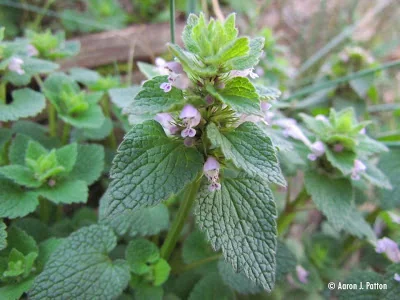
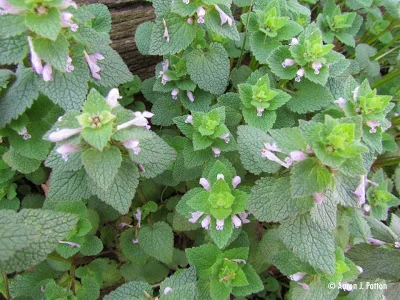
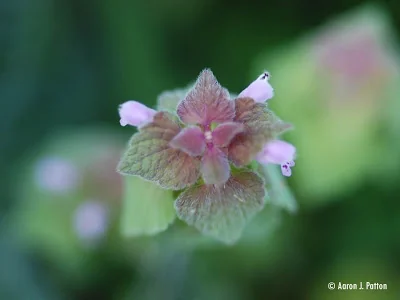
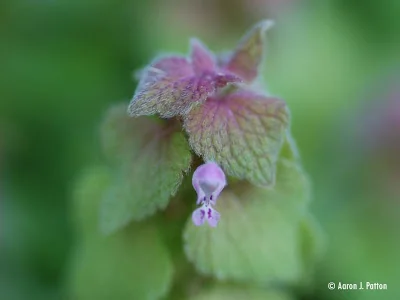
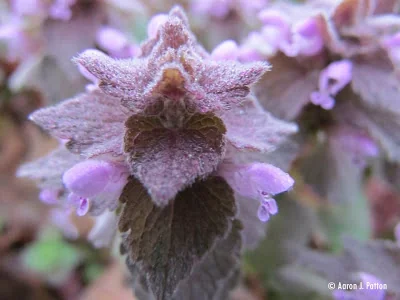
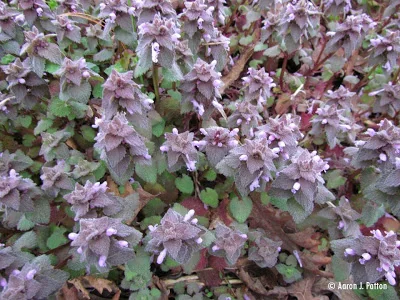
Biology: Purple deadnettle (Lamium purpureum) is a common winter annual broadleaf weed found throughout the US. It is closely related to another winter annual broadleaf, henbit (Lamium amplexicaule). Both have vibrant purple flowers that can been seen now in lawns, landscapes, and fields.

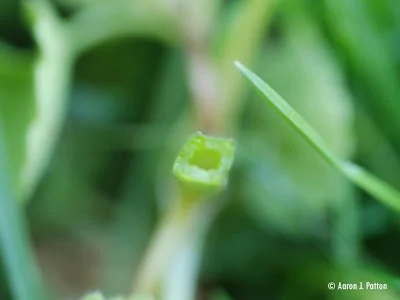
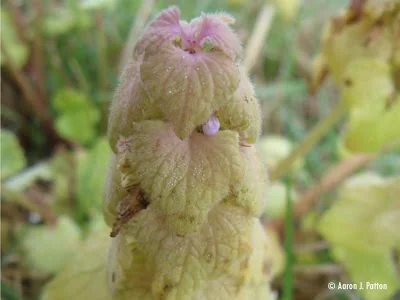
Identification: Purple deadnettle is a winter annual meaning that it germinates in the fall, survives the winter as a plant, then flowers, develops seeds, and then dies when temperatures rise in late spring and early summer. Purple deadnettle blooms are mainly visible in April although you can find it blooming earlier and later depending on the area it is growing and the temperatures. Purple deadnettle is a member of the mint family and has a characteristic square stem. Purple deadnettle flowers are light purple in color and are small and tubular in shape.

Purple deadnettle leaves are triangular in shape with shallow lobes. Typically, the upper leaves are more purple-red in color than the lower leaves.

Cultural control: Purple deadnettle mainly occurs in turf and soils that are disturbed during the fall when it germinates. Proper mowing (higher mowing heights), proper fertilization (some rather than none to improve turf density), irrigation to prevent summer dormancy during drought, and aerification of compacted areas to improve turf health are all cultural practices that can be used to reduce purple deadnettle. If you only have a few purple deadnettle plants, you can usually pull them by hand.

Biological control: Some organic herbicides are available. Among the postemergence organic herbicides, the most common are pelargonic acid (Scythe) and acetic acid (5 percent or greater solutions). Other products that contain medium-length fatty acids and clove oil (eugenol) show some promise; however, these organic postemergence herbicides are nonselective and can injure actively growing desirable plants in the lawn and landscape, so their use should be limited to directed spot treatments. The bottom line is that most organic postemergence herbicides have limited use in turf and are better suited to weed control in parking lots, fence rows, and other bare ground applications. Many new organic products contain the active ingredient iron HEDTA (FeHEDTA). Multiple applications of this product are required for control. FeHEDTA containing products injure turf less (can actually make turf darker green), but their efficacy for weed control is yet to be well documented.

Chemical control: Purple deadnettle can be controlled using preemergence or postemergence products, but I will mainly discuss postemergence control as preemergence control is more limited to bermudagrass and zoysiagrass lawns.

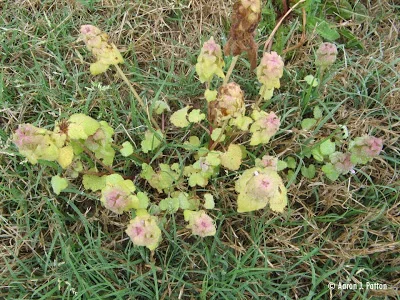
The more common approach to controlling purple deadnettle in cool-season turf is to use postemergence herbicides after it has already emerged. Most postemergence herbicides including those containing 2,4-D, dicamba, fluroxypyr, and others will control purple deadnettle. As plants get bigger, herbicides will be less effective at controlling this weed. Additionally, since it is a winter annual, it will naturally die in the summer so late spring herbicide applications aren’t necessarily warranted. You can tell that purple deadnettle is beginning to die from summer heat stress when the leaves start to turn yellow in color.

Quackgrass

Biology: Quackgrass ( Elymus repens) is a cool-season perennial that vigorously spreads by rhizomes. It is a sod-forming grass that can crowd out desirable grasses and even other weeds. Quackgrass has been shown to be allelopathic, which means it releases chemicals that inhibit the growth of other plants. Large, nearly pure patches of quackgrass are able to form due to the invasive nature, extensive rhizome production and spread, and allelopathy of the species. These patches stand out in a lawn due to the ashy, blue-green color of quackgrass.

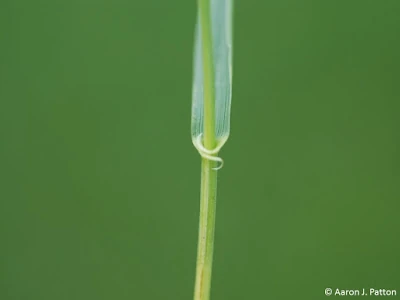
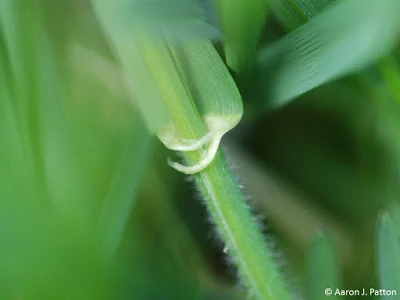
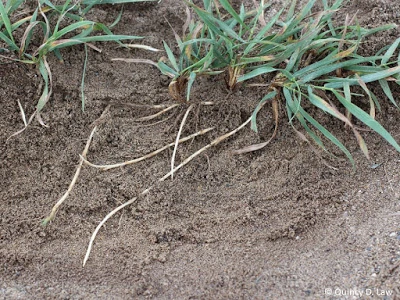
A clasping auricle is a classic quackgrass identification feature.
A large patch of quackgrass without weeds like the surrounding turf demonstrates the allelopathic effect of quackgrass.


Identification: The most distinct identification feature of quackgrass is its clasping auricles. Quackgrass can be distinguished from annual ryegrass (Lolium multiflorum) with the presence of rhizomes (i.e. quackgrass has rhizomes and annual ryegrass does not). Quackgrass has rolled vernation and a short, membranous ligule. Lower sheaths are often hairy while upper sheaths are usually smooth. Leaves are an ashy, blue-green color and can sometimes have a longitudinal twist.

Quackgrass
Quackgrass clasping auricle. From my experience, quackgrass sheaths can be both smooth or ahiry as is this one. My observation is that the hair stem types vary throughout the season with hairs visible in spring but often absent in summer.
Notice the leaf curling (longitudinal twist).
If the grass has clasping auricles and rhizomes (shown here) then there are few other options and a confident diagnosis of quackgrass can be made.
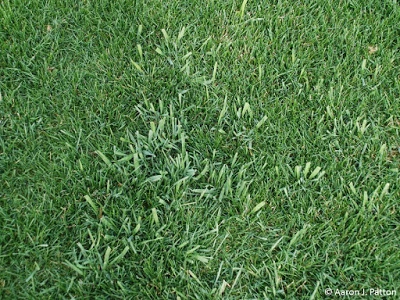
Quackgrass (wide bladed grass) in a high quality lawn.
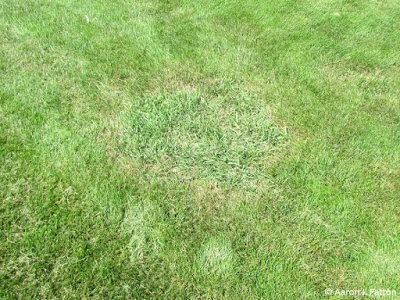
Patch of quackgrass (center) in a lawn.
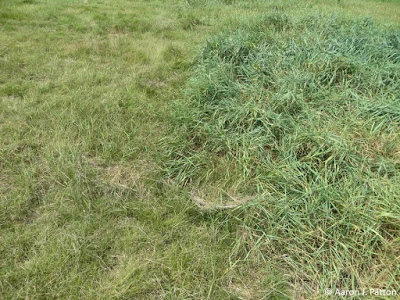
Tall quackgrass pictured right spreading into a lawn.
Cultural control: A dense, healthy lawn is the best first defense against quackgrass, as it is with most weeds. Soil disturbance near a quackgrass patch can assist in the propagation and spread of quackgrass resulting from chopped rhizomes, so practices such as tillage can escalate a quackgrass problem. When reestablishing a turf sward with previous quackgrass issues, laying sod may be a better alternative to seeding because the rhizomes will have a more difficult time surfacing.
Biological control: There are currently no known biological control options for quackgrass control.
Chemical control: Unfortunately, only nonselective control options exist for quackgrass control in cool-season turf. Spot-treating with a nonselective systemic herbicide such as glyphosate (Roundup) will help to manage quackgrass in cool-season lawns. Results are best when applications are made while the weedy plants are young, fully green, actively growing, and not under drought stress. At least two glyphosate applications are recommended, but three or more may be needed since this is a rhizomatous grass. You must allow the weed to regrow before making a follow-up application.
For more information on weed control, search this blog and check out our Turfgrass Weed Control for Professionals Publication.

Roughstalk Bluegrass

Biology: Roughstalk bluegrass, primarily known by its scientific name (Poa trivialis), is a cool-season perennial grass that can be found throughout the Midwestern United States. Though roughstalk bluegrass can be found in landscapes, roadsides, meadows, and waste areas, it is primarily considered a turfgrass weed. It can successfully germinate in multiple environmental conditions, but it has a preference for moist soils and high levels of shade. This ability to successfully establish in conditions ideal for the growth and development of most turfgrass species, as well as its ability to spread throughout the turfgrass canopy by stolons, make roughstalk bluegrass a common turfgrass weed throughout the state of Indiana.

Identification: Roughstalk bluegrass is a cool-season perennial grass that can be found in both high- or low-maintenance turfgrass throughout the Midwestern United States. Though the plant looks like it has clumping growth patterns, the plant survives from year-to-year through creeping, above-ground stems called stolons, which spread easily throughout the surrounding turfgrass canopy. Seedlings of the plant are generally small and slow to establish compared to other turfgrass varieties. Despite being included in turfgrass seed mixtures for shady areas, roughstalk bluegrass is also a common contaminant of uncertified turfgrass seed mixtures, and will successfully germinate alongside the desired turf species with adequate soil temperature and moisture conditions. Roughstalk bluegrass leaves are folded in the bud with a membranous ligule that can range from absent to very distinct (long) in size (NOTE: when samples are sent to me for identification, it is usually the type with no or very short ligules). The presence of very small, scabrous hairs give the leaf surface and margins a rough feel, thus accounting for the common name ‘roughstalk bluegrass’. The plant has a broad collar and a boat-shaped leaf tip that is characteristic of other bluegrass turf species. The leaves are shiny, and are pale green or yellow-green in color, but they often turn red or maroon during periods of drought or heat stress. Seedheads are produced from mid-May through June in an open panicle similar to that of Kentucky bluegrass. Roughstalk bluegrass can remain green throughout the winter (with some minor leaf-tip burn) and during the summer months it generally goes dormant. Stolons can successfully germinate after many years of prolonged dormancy. It is often confused with other bluegrass species such as annual bluegrass, though it is considerably larger, and Kentucky bluegrass, though it is generally lighter green in color. Annual bluegrass is primarily bunch-type. Kentucky bluegrass has rhizomes (underground creeping stems). Roughstalk bluegrass can also be confused with creeping bentgrass which is also stoloniferous; however, creeping bentgrass is rolled in the bud while roughstalk bluegrass is folded in the bud.

Rough bluegrass stolon.
New growth emerging from a node on a rough bluegrass stolon in September following summer stress.
Most rough bluegrass samples have a small or absent membranous ligule with no visible auricle present.
Heat stress in summer will start off as a purpling of the leaves.
Patches of rough bluegrass turn brown.
Eventually rough bluegrass patches will enter summer dormancy and appear dead.
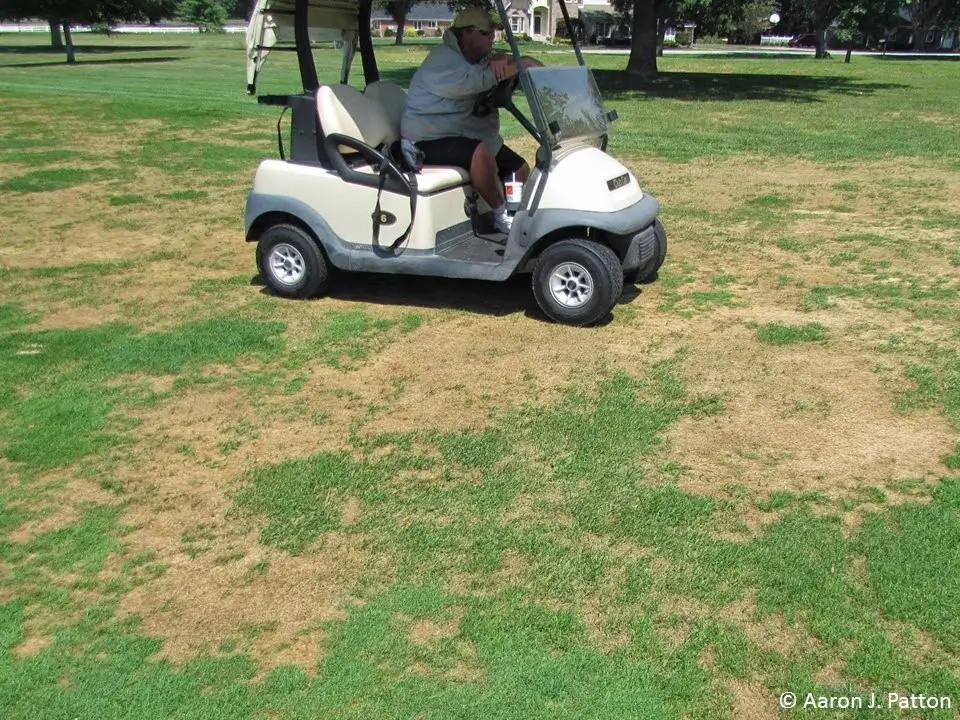
This golf course had a lot of rough bluegrass which created a perennial problem of summer decline in their fairways.
Green stolons look like spaghetti.
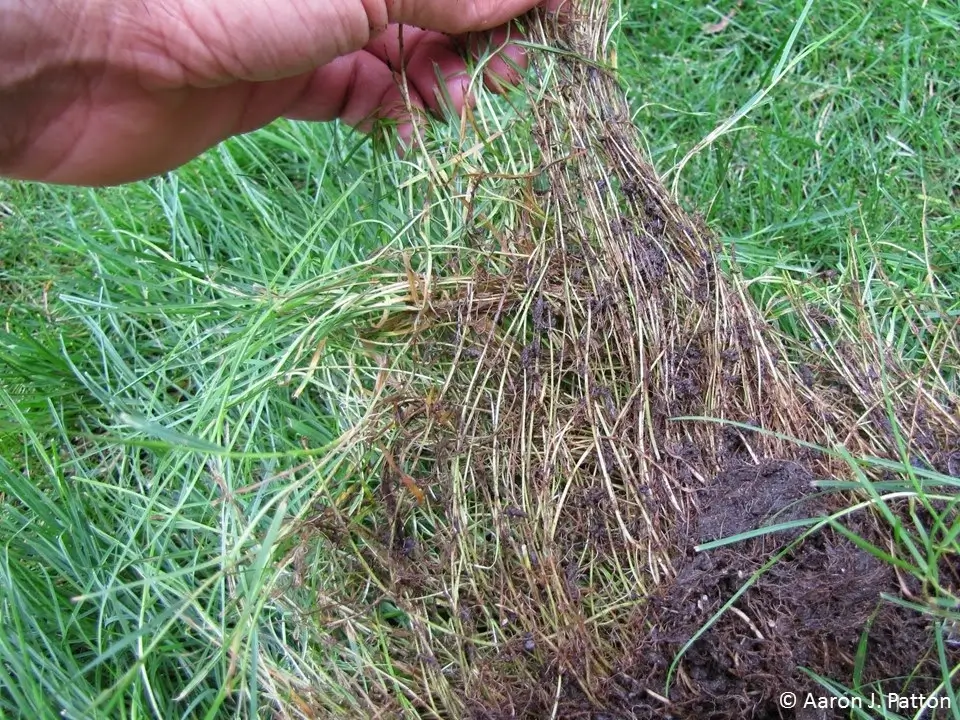
Green stolons look like spaghetti. Stolons easily pull up in summer when plants are stressed and rooting is poor.


Cultural control: Rough bluegrass likes shady, wet areas. Therefore, reduce irrigation frequency to reduce the spread of this grassy weed. Mowing practices alone will not provide adequate management since roughstalk bluegrass can survive in many of the same environmental conditions and management programs as other desired turfgrass species. The best method of cultural control for roughstalk bluegrass is to avoid contaminating your turf system in the first place by buying certified seed mixtures/blends from a reputable seed company. Carefully read the labels of each seed bag. Unless the seed is advertised as a shade tolerant mixture, make sure roughstalk bluegrass species are not mentioned in the varieties of seed contained within the bag as a ‘weed seed’.

Biological control: None known specifically for roughstalk bluegrass.

Chemical control: Small areas and patches of roughstalk bluegrass can possibly be managed by making repeat applications of non-selective herbicides such as glyphosate and glufosinate; however, complete control is difficult due to the survival of creeping stolons.Spring application timings before the stress of summer will aid in the control of rough bluegrass with these non-selective herbicides. 

For golf courses and sod farms, other products exist that are not labeled for use in lawns. For more information on these products and on weed control, check out our Turfgrass Weed Control for Professionals Publication.

For archives of past weed of the month postings, visit our Weed of the Month Archive.

Aaron Patton, Turfgrass Extension Specialist
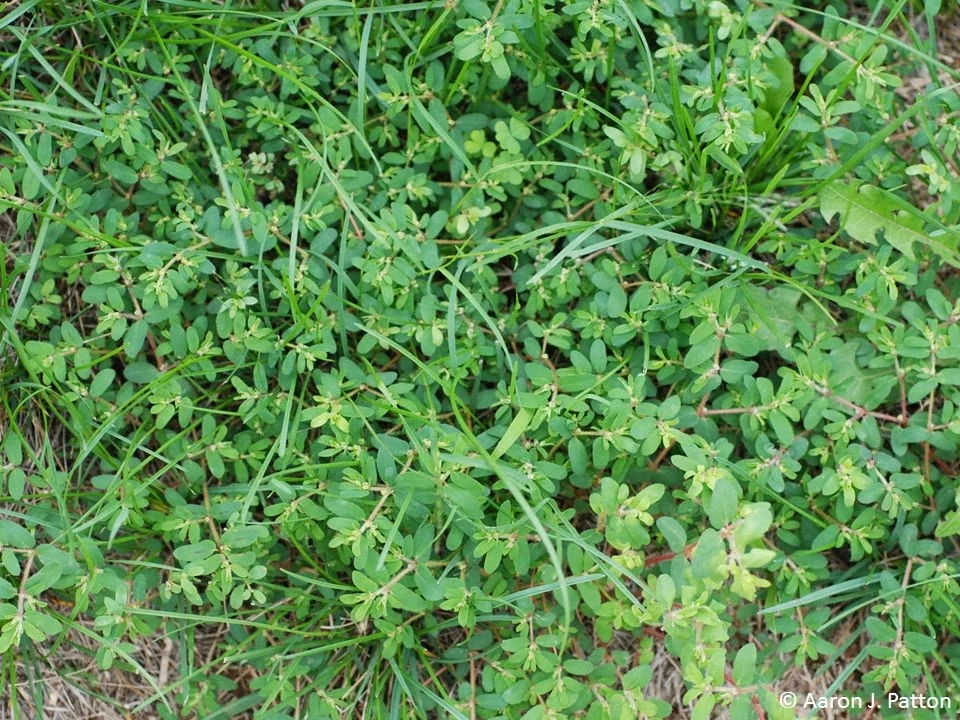
Leslie Beck, Postdoctoral Research Associate

Smooth Crabgrass

Biology: Smooth crabgrass (Digitaria ischaemum), is a summer annual grassy weed that is found throughout the Midwestern United states. Closely related to large crabgrass (Digitaria sanguinalis) and southern crabgrass (Digitaria ciliaris), these three species are often considered to be the most problematic weeds in lawns due to their ability to survive extremely low mowing heights, poor quality soils, and dry/hot climates.

Identification: Smooth crabgrass is a summer annual grassy weed that is commonly found in home lawns throughout the US. Smooth crabgrass can tolerate very dry, poor quality soils and is found in multiple cropping systems ranging from agronomics, to landscape, to horticulture, to vegetable gardens, along with both cool and warm season lawns in Indiana. Crabgrass plants are very opportunistic, so look for it to germinate in areas of bare soil like walkways, gardens, newly seeded turf areas, as well as a very open, thin turfgrass canopy.


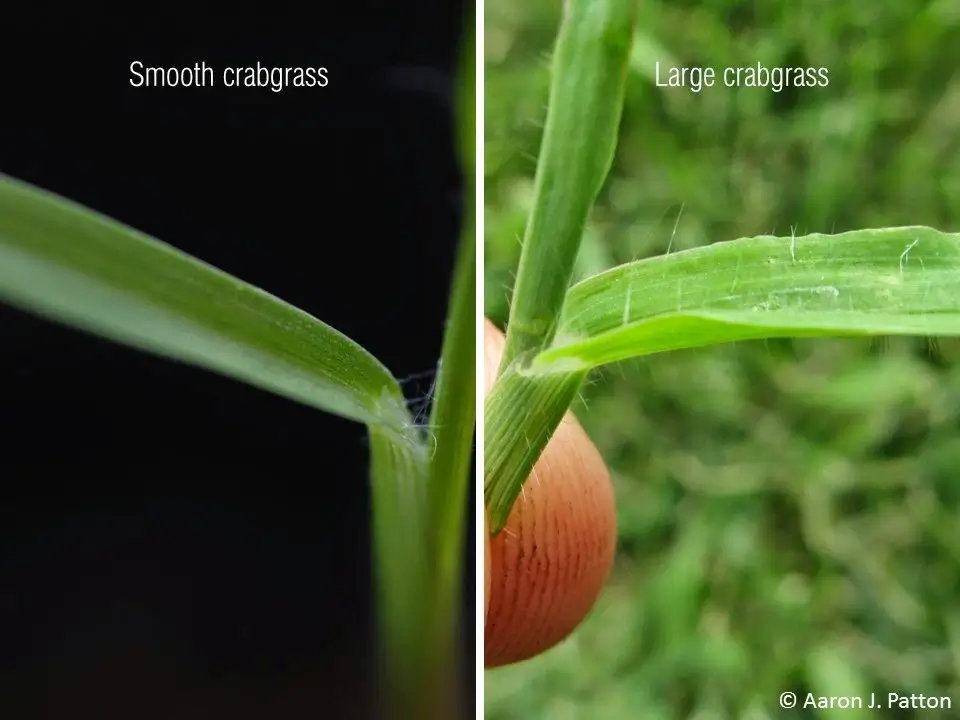
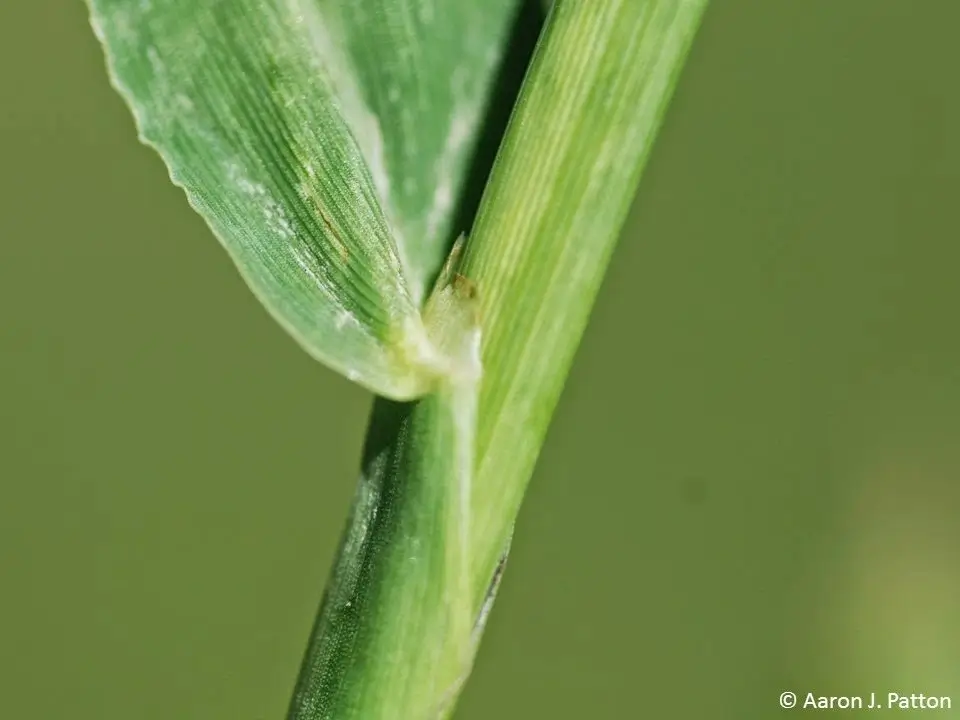
Germination typically occurs from mid- to late-spring (late March-early May) in Indiana. If germination occurs while the temperatures are still slightly cooler, the plant will remain small for an extended amount of time. As the temperatures warm, more leaves will start to develop and the plant will begin tillering by early- to mid-summer (June). The young leaves of smooth crabgrass will have very little hairs, while large and southern crabgrasses have a dense covering of very fine hairs. All three crabgrass varieties will have a membranous ligule that has a torn or ‘shredded’ appearance.

Smooth crabgrass leaf emerging from coleoptile.
1-leaf size smooth crabgrass.
2-leaf size smooth crabgrass.
3-leaf size smooth crabgrass.
Usually some hairs are present on smooth crabgrass but many fewer than on large crabgrass.
Photo shows membranous ligule and few hairs on leaf sheath or leaf blade.

The development of multiple tillers can contribute to the clumpy appearance of a crabgrass plant, though smooth crabgrass is generally smaller in size than large crabgrass. Once mature, smooth crabgrass produces seedheads in the form of 3-5 spikes that are clustered at the top of long, erect stems. Seedheads mature at the end of summer prior to fall/autumn. As crabgrass dies with the first killing frost, the plant can appear as unsightly brown patches surrounded by green cool-season turf in lawns.

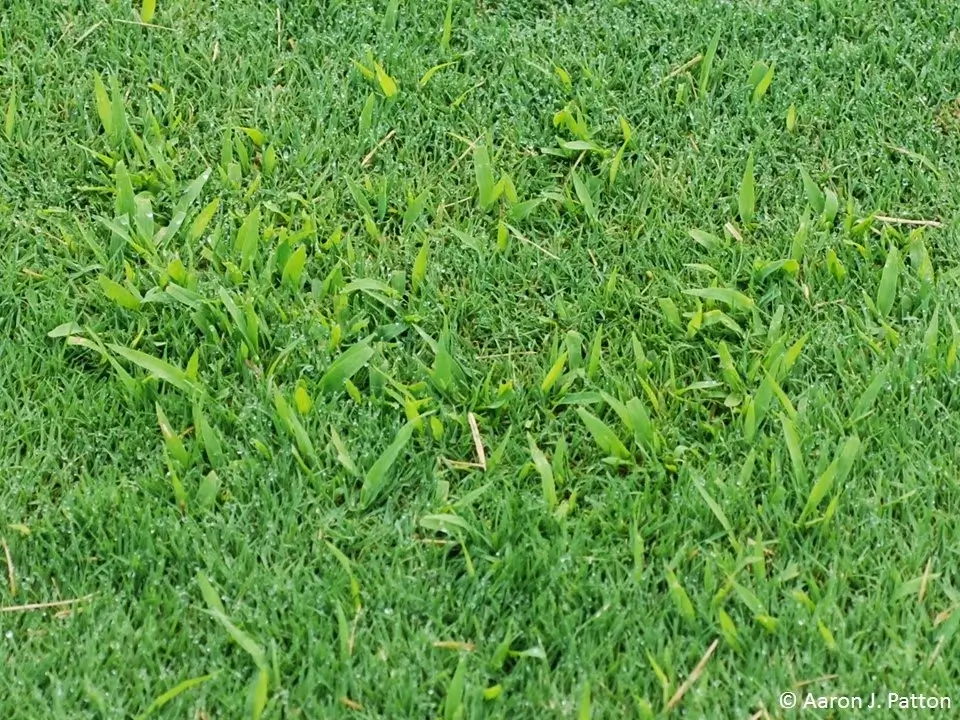
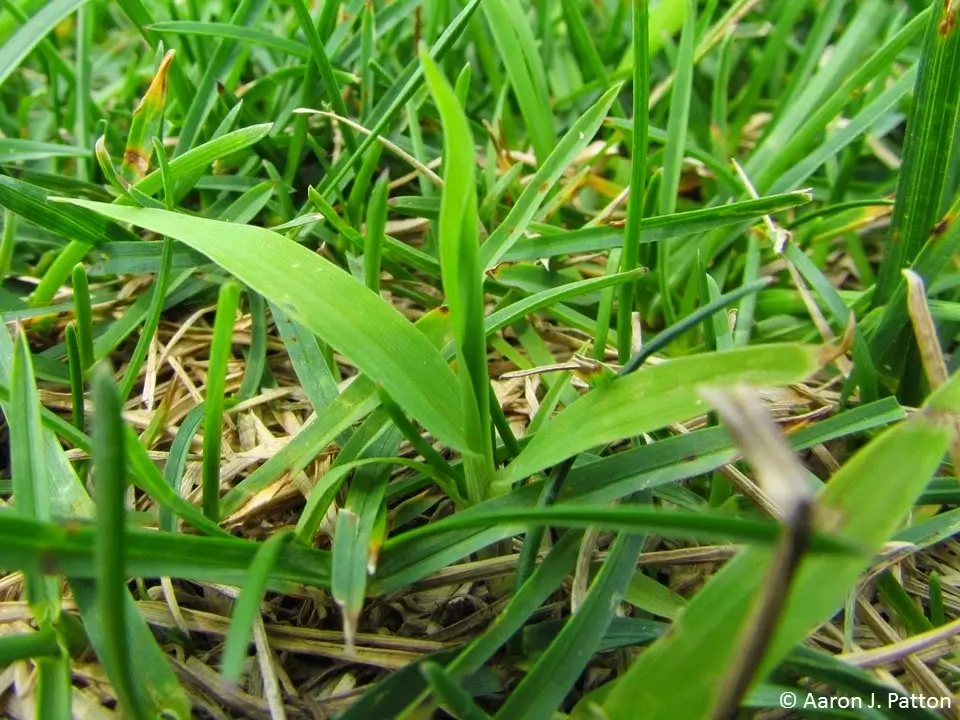
Prostrate growth of smooth crabgrass in short cut turfgrass.
Dense turf keeps out crabgrass. Here a patch of creeping bentgrass in a lawn is keeping out the crabgrass.

Chilling injury to crabgrass in cool fall months prior to the first frost.
Brown, dead crabgrass plants in a lawn following the first hard frost.
Cultural control: Maintaining a high quality lawn through higher mowing heights, proper fertilization (some fertilization is always better than none), and supplemental irrigation during drought will help the desired turf to outcompete crabgrass.
Biological control: None known specifically for control of smooth crabgrass in home lawns.

Chemical control: For more information about crabgrass control, see our recent post, Common Questions About Crabgrass Germination and Preemergence Herbicides Answered.

Both smooth and large crabgrass can be controlled using preemergence and postemergence herbicides.

There are multiple options for preemergence herbicides that are available for purchase by homeowners, including dithiopyr (Dimension), pendimethalin (Pendulum), and prodiamine (Barricade). These herbicides prevent the crabgrass from successfully germinating. For adequate control, these products must be applied before the crabgrass starts to germinate. One exception is dithiopyr, which has the ability to control crabgrass after it germinates until it reaches 1- to 2-tillers in size.

Once the crabgrass has already emerged, another option for control is the use of postemergence herbicides. Products that include active ingredients like dithiopyr (smaller than 1- to 2-tiller in size), quinclorac (Drive), mesotrione (Tenacity), fenoxaprop (Acclaim Extra) can be used to adequately control crabgrass that has already emerged. Each of these individual fertilizers provide a slightly different spectrum of control and works well on specific sizes (based on number of tillers) of crabgrass. Homeowners can choose a product based on the size of their crabgrass as well as its ability to control other weeds that you might have present.

For more information on weed control, search this blog and check out our Turfgrass Weed Control for Professionals Publication.

Tall Fescue

Biology: Tall Fescue (Festuca arundinacea) is perennial grass that can be both desirable as a lawn species when using improved cultivars or undesirable when forage-type (wide-bladed) tall fescue plants a contaminant other primary species in a lawn.

For all of you nerds out there like me, you might be interested in know that there has been much recent debate about the scientific name of tall fescue. While tall fescue has used the above scientific name consistently for over 60 years, it is now being classified by scientists formally as Schedonorus arundinaceus (Schreb.) Dumort. (also = Lolium arundinaceum (Schreb.) S.J. Darbyshire; formerly = Festuca arundinacea Schreb.). I know, very confusing even for me. Remember that there are many grasses called “fescues”. I wrote about this in a previous turf tip that I would encourage you to read (click here).

Identification: Tall fescue is a coarse-textured (wide-bladed), bunch-type grass. Improvements in tall fescue leaf texture have resulted in more fine-bladed varieties/cultivars that have helped to increase the turf quality and use of this drought-tolerant turf in Indiana. We often recommend improved turf-type varieties of tall fescue as the primary species for lawns, but older, wider-bladed, forage-type varieties of tall fescue such as Kentucky 31 (KY-31) still exist, and can be problematic weeds in lawns. This forage-type tall fescue can be easily spotted in lawns in early spring when they green-up faster than Kentucky bluegrass and by its bunch-type growth habit, which results in a clump of turf when present as a weed. Also, forage-type tall fescue can be easily spotted in lawns during drought as tall fescue stays green and actively growing during drought whereas Kentucky bluegrass will often enter a drought-induced summer dormancy.

Kentucky 31 (KY-31) tall fescue makes a poor lawn.
Improved “turf-type” tall fescue
Sometimes tall fescue blends well into your lawn. Notice tall fescue clump in center of photo.
Weedy, forage tall fescue clumps are easily visible in Kentucky bluegrass turf in early spring.
Tall fescue in bermudagrass turf in the spring during green-up.
Tall fescue (green clumps) in a Kentucky bluegrass turf during a summer drought.

Tall fescue will often lack a ligule or possibly have a short membranous ligule.

A very short ligule is barely visible.

Auricles are usually short and blunt but some can also be classified as short-clasping meaning that the auricle may wrap-around the stem but may not fully clasp or cross one another. You may also see small hairs protruding from the auricle.

See the short auricle and small hairs?

The vernation (how the leaf is oriented inside the stem) is rolled on tall fescue and the collar is conspicuous (obvious) and usually wide.

Broad collar is easily visible.

The leaf blade is wide but variable in length with a pointed leaf tip. In some cases you can actually feel little barbs along the leaf margin when you run your fingers from the leaf tip down the leaf blade.One last helpful identification is the prominent veins in tall fescue compared to Kentucky bluegrass (only midrib is clearly visible).

For more on tall fescue identification, see this page in our turfgrass identification tool (click here, requires flash player).
Cultural control: When there are few weedy patches of bunch-type grasses like tall fescue, it is best to cut them out with a shovel or knife. Be sure to cut down a couple of inches into the soil to get all the stems. Refill the holes with soil and seed immediately with the desirable turf species similar to the existing turf.
Biological control: None known.

Chemical control: If the area has a large number of tall fescue plants, chemical control will be more efficient. A nonselective herbicide such as glyphosate (Roundup and others) can be spot-applied. These herbicides will also kill the surrounding desired turf species, so be careful to treat only the clump of tall fescue. Two applications may be needed for complete control and the area should be reseeded 7 to 14-days after the final application. Thoroughly rake the area to be seeded to remove dead plant material and ensure good seed-soil contact. For more information about complete renovation, refer to Turfgrass Renovation (Purdue Extension publication AY-13-W).

Chlorsulfuron (Corsair) was a selective herbicide registered for the control of tall fescue in many turf species. Some quantities of Corsair (labeled for most major turf areas) may still exist but this herbicide is no longer sold. Telar XP and Chlorsulfuron 75DF contain the same ingredient as Corsiar and can be used on turf in industrial sites and roadsides but not in managed turf areas like golf courses, lawns, and athletic fields. Spot apply chlorsulfuron according to label instructions. The tall fescue will slowly thin and die, allowing the desired species to fill in. Reseeding should not be needed if Kentucky bluegrass is present. Chlorsulfuron will kill perennial ryegrass, so do not apply it to perennial ryegrass.

To control tall fescue in warm-season lawns and athletic fields, apply a nonselective herbicide like glyphosate in late winter while bermudagrass is dormant. Alternatively, many sulfonylurea herbicides are labeled for the selective removal of cool-season grasses such as tall fescue from bermudagrass and zoysiagrass.

For more information on weed control, search this blog and check out our Turfgrass Weed Control for Professionals Publication.

For archives of past weed of the month postings, visit our Weed of the Month Archive.

Aaron Patton, Turfgrass Extension Specialist
White Clover

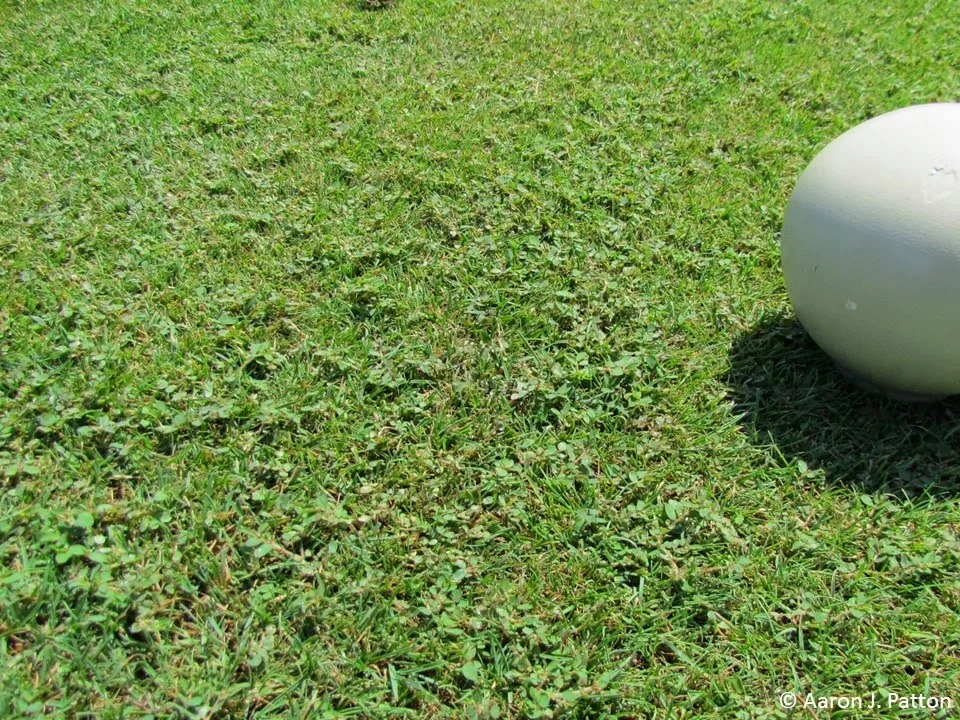
Biology: White clover (Trifolium repens) is a perennial broadleaf weed that can be found throughout the United States. Seeds can germinate in moist-cool conditions in spring, early summer, or early fall. Because it tolerates close mowing, can grow in multiple soil types, and has the ability to fix its own nitrogen, it competes with the surrounding turf. As a result, white clover is a common occurrence in lawns and other high-maintenance turf throughout the state of Indiana.

Some view white clover as a weed – hence it’s appearance in this weed of the month series – while others view white clover as an important component of the turf which provides beneficial nitrogen contributions to the soil. Current research efforts at Purdue led by Dr. Cale Bigelow and his graduate student Gabe Macke are focused on learning more about the potential benefits of grass-clover systems and the challenges in maintaining these mixed swards. More information about white clover management (both control and culture) will continue to be provided as we learn more.

 
Identification: White clover forms mat-like patches in lawns as it spreads via low-creeping stolons that can grow at a rate of 18 cm per year. Stems can be smooth or sparsely covered with hairs. Leaves are generally arranged in threes; however, occasionally the appearance of 4 leaves can give white clover a ‘shamrock’ or a ‘4-leaf clover’ appearance. Leaves are predominantly egg-shaped, grayish-green on the bottom, and bright-green on top with a distinctive gray-green splotch or watermark at the base. Flowers are white, often with pink tinge, and are arranged in aggregated, rounded heads that can hold up to 85 flowers. Seed coats are extremely hard, thus allowing for extended dormancy periods in the soil. Other trifoliolate (3 leaves) legumes, such as red clover, are similar but generally larger in size, have more pubescent stems, and more elongated leaflets than white clover.
 
Rounded flower clusters can hole up to 85 flowers.
Pink tinge at the base of white flower petals.
Trifoliate (3-leaf) arrangement with distinctive watermark.
Appearance of 4 leaves produce a ‘shamrock’ or ‘4-leaf clover’ appearance.
White clover in closely mown turf.
Presence of white clover may be an indication of low nitrogen fertility.
Large patches of white clover in dormant bermudgrass turf.
Large patch of dense, mat-like growth.
Cultural control: The use of cultural practices, such as increased mowing height, adequate irrigation, and overseeding to enhance cool-season turf density and vigor may help the lawn to out compete white clover infestations. Since white clover is a legume capable of fixing its own nitrogen, adequate nitrogen fertilization will often help to reduce clover and further develop a more competitive turf.
 
Biological control: None known for specific use in white clover. There are some organic postemergence herbicides available for turf weed control. For example, pelargonic acid (Scythe) and acetic acid (5% or greater solutions) may be used to manage weeds. Other products such as Eugenol, which contain medium-length fatty acids and clove oil, have shown some promise as an effective weed control tool. However, these organic herbicides do not differentiate between the target weed and the desired turf (non-selective) and should only be applied as spot treatments in direct contact with the weed only. As a result, most of these organic herbicides have limited use in turf and are better suited for weed control in parking lots, along fence rows, and in other bare-ground areas.


Many new organic products contain essential micronutrients, such as iron HEDTA (FeHEDTA) as the active ingredient. Though multiple applications of these products are required, turf injury is generally decreased (can actually make the turf darker); however, their ability to provide long-term weed control is not well-documented.

 
Chemical control: Chemical management of white clover is generally focused on a postemergence strategy over a preemergence strategy because of the few preemergence herbicides available for broadleaf weeds in cool-season turf and because white clover may germinate at different times throughout the year. The best selective herbicide management strategy is repeat applications of two- or three-way mixtures of 2,4-D, dicamba, MCPP. Products that contain one or more of the following ingredients should also provide effective control in cool-season turf: clopyralid, dicamba, florasulam, MCPP, and quinclorac. 
 
 
For more information on weed control, search this blog and check out our Turfgrass Weed Control for Professionals Publication.


For archives of past weed of the month postings, visit our Weed of the Month Archive.

Aaron Patton, Turfgrass Extension Specialist
Leslie Beck, Postdoctoral Research Associate
 

Wild Garlic

Biology: Wild Garlic (Allium vineale) is a monocotyledonous cool-season perennial that can be found throughout most of the eastern and southern United States. Despite having linear leaves and parallel veins, wild garlic is neither a grass nor a sedge; it is a member of the lily family. Wild garlic is more noticeable in the winter months when the turf is not actively growing or being mown. Plants reproduce from seeds and aerial bulbets from early spring and throughout the summer months. Its ability to tolerate a wide range of soil types, and to survive mowing height typical of lawns make wild garlic a difficult-to-control weed in cool-season turf.

Identification: Wild garlic is a bulbous perennial with grass-like leaves that emerges in turf in the early spring. Leaves are slender, rounded, and hollow. Wild garlic is often mistaken for wild onion; however, wild onion leaves are more flattened and are not hollow. Wild garlic leaves have a distinct garlic-like odor when crushed or mown. Leaves emerge from an underground white bulb with a papery outer coating, which also gives rise to multiple bulbets that are flattened on one side and also covered by a papery-like membrane. Greenish-white ‘flowers’ can be observed atop short flowering stems in late spring through early summer. In the place of flowers, small globe-shaped aerial bulbets are produced that are greenish-white and have long tail-like green leaves. Wild garlic plants may die back in the summer, but leafless stalks bearing viable seed capsules may remain.

Wild garlic’s grass-like growth in dormant turf

Hollow stems

Aerial bulbet

Wild garlic clumps in dormant turf

At times, wild garlic leaves can appear curved or curled


Cultural control: Proper turf maintenance such as adequate mowing height, fertilization, and irrigation to develop a dense, aggressive turf leading into the winter months may help to manage wild garlic. Hand-pulling wild garlic is generally not an effective method of weed control since hollow stems are easily broken leaving the bulb below the soil to generate new leaves and new bulbets. As a result, bulbs need to be dug-up in order to achieve an adequate level of control.

Biological control: None known for specific use in wild garlic.

Chemical control: In cool-season turf, wild garlic is difficult to control. There are no preemergence herbicide options for wild garlic in cool-season turf; however, there are a few postemergence herbicide options. Applications of 2,4-D alone or in multiple combinations with MCPP and dicamba (Trimec, Triplet, etc.) may achieve fair levels of control. The ester formulations of 2,4-D are more effective against wild garlic than the amine formulations (consult the Purdue Turfgrass Weed Control for Professionals extension publication (link below) for more information regarding the differences between amine and ester 2,4-D formulations). Additionally, mowing the weeded area prior to application may improve herbicide uptake and overall control of wild garlic in cool-season turf.

For more information on weed control, search this blog and check out our Turfgrass Weed Control for Professionals Publication.

For archives of past weed of the month postings, visit our Weed of the Month Archive.

Aaron Patton, Turfgrass Extension Specialist
Leslie Beck, Postdoctoral Research Associate

Wild Violets

Biology: Collectively, turf managers refer to the Midwest species common blue violet (Viola sororia), wooly blue violet (Viola papilionacea), and confederate violet (Viola sororia f. priceana) all as wild violet. Additionally, yellow violet (Viola pubescens) is also found in Indiana. Wild violets are a persistent, perennial, and difficult-to-control broadleaf plant. It is regarded as a desirable perennial plant by some as well as a weed by others.

Common blue violet.

Wild violets in a shady lawn.

Wild violet leaf.

Identification: Violets can be identified by their heart shaped leaves which are pointed at their tip and have rounded teeth on their margins. Violets spread by short rhizomes and by seed. Short rhizomes about the size of your “pinky” finger are common to all Indiana wild violet species. Wild violets are typically found in shady areas with moist soil but they can also grow in sunny, droughty areas.
Wild violet rhizome on soil surface.

Wild violet plant showing rhizome after washing off soil.

Flower color varies by species. Common blue and wooly blue violets (both have a purple, blue, violet color. Confederate violet has white petals with an inner violet color. Yellow violet has a yellow color.

Common blue violet. Wooly blue violets have the same flower color.

Confederate violet.

The confederate violet and common blue violet are often found in the same area.

Yellow violet.

Following flowering and pollination, fruit capsules form. Seed is dispersed from the capsules by gravity after the capsules dry.

Seed capsules.

Seed capsules after drying showing the dark-colored seeds.

Cultural control: Cultural practices such as proper mowing, fertilization, and irrigation can be manipulated to control some weed species but these practices have little impact on wild violet populations in lawns. Wild violet can be decreased by more frequent mowing but not by fertilization. It is unknown how irrigation, drainage, and soil compaction influence wild violet populations. As such, turf managers rely on herbicides to control wild violet.

If you wish to increase wild violets in your lawn, simply reduce your lawns nitrogen fertilization and maintain moderate to high levels of shade by withholding pruning of trees.

Biological control: Some organic herbicides are available. Among the postemergence organic herbicides, the most common are pelargonic acid (Scythe) and acetic acid (5 percent or greater solutions). Other products that contain medium-length fatty acids and clove oil (eugenol) show some promise; however, these organic postemergence herbicides are nonselective and can injure actively growing desirable plants in the lawn and landscape, so their use should be limited to directed spot treatments. The bottom line is that most organic postemergence herbicides have limited use in turf and are better suited to weed control in parking lots, fence rows, and other bare ground applications. Many new organic products contain the active ingredient iron HEDTA (FeHEDTA). Multiple applications of this product are required for control. FeHEDTA containing products injure turf less (can actually make turf darker green), but their efficacy for weed control is yet to be well documented.
Chemical control: Good chemical control of wild violet is typically obtained with triclopyr (Turflon Ester Ultra or Triclopyr 4). Many herbicides are available with triclopyr as the key ingredient (see Commonly Used Broadleaf Herbicide Combinations for Turfgrass, page 62). For best control with triclopyr use more than 0.5 lb ai/A. Turflon Ester Ultra and Triclopyr 4 at 1 pt/A will deliver 0.5 lb ai/A; and at 1 qt/A will deliver 1.0 lb ai/A. Chaser, Chaser 2 amine, Confront, 2-D, and Tailspin will also deliver ≥0.5 lb ai/A.

For more information on weed control, search this blog and archived turf tip postings and check out our Turfgrass Weed Control for Professionals Publication.

Aaron Patton, Turfgrass Extension Specialist