
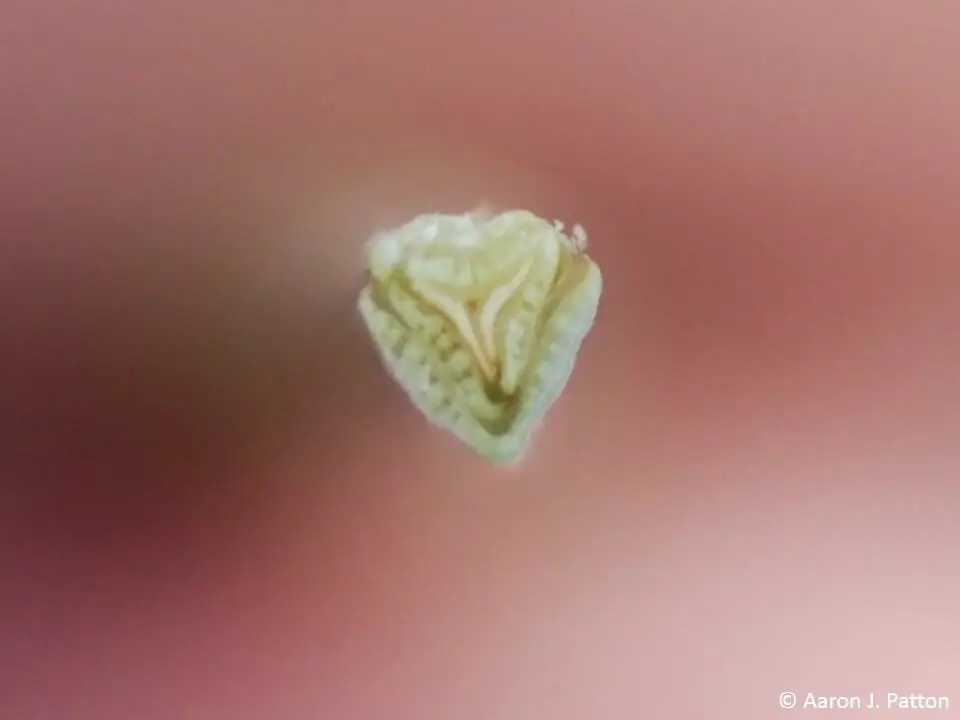
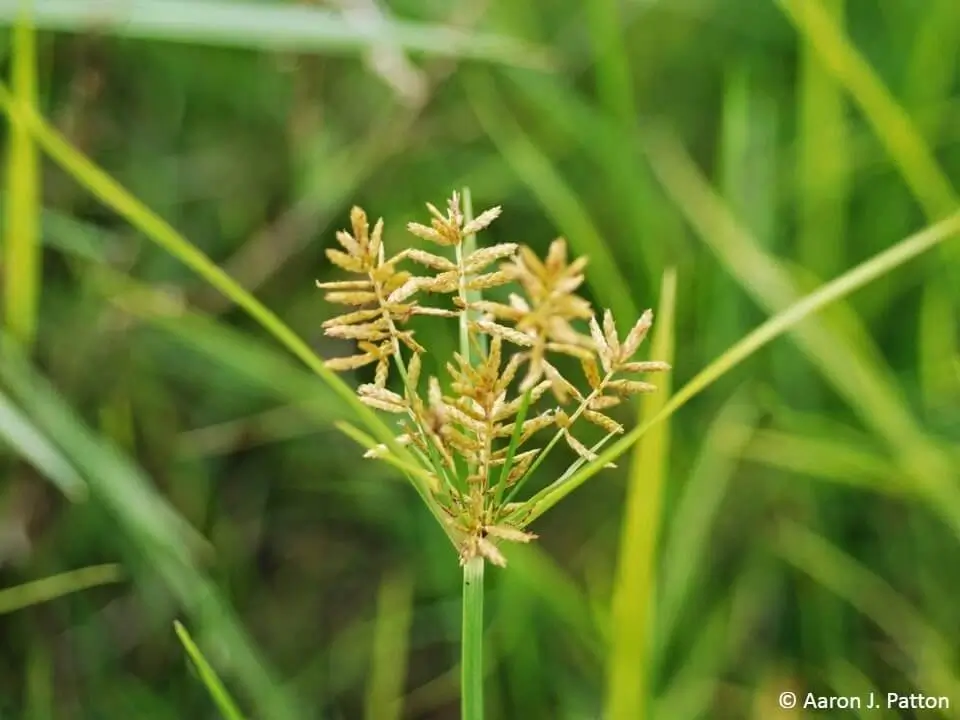
Biology: Yellow nutsedge (Cyperus esculentus), also known as chufa (chufa is a non-weedy variety that is used for wildlife food plots and is not a cold hardy weed like yellow nutsedge), nutgrass, or watergrass, is a troublesome, difficult-to-control perennial weed found throughout the United States. It is important to understand that yellow nutsedge is not a grass or a broadleaf weed, but a sedge; which is crucial when determining effective control strategies. It establishes by rhizomes, which form tubers (called nutlets) that are capable of surviving in the soil for periods of up to ten years. These nutlets, as well as viable seed, sprout and establish from May until the end of July. The ability of nutlets to survive long periods in the soil and the mature plant to withstand frequent, low mowing practices, make yellow nutsedge a difficult-to-control weed in turf.
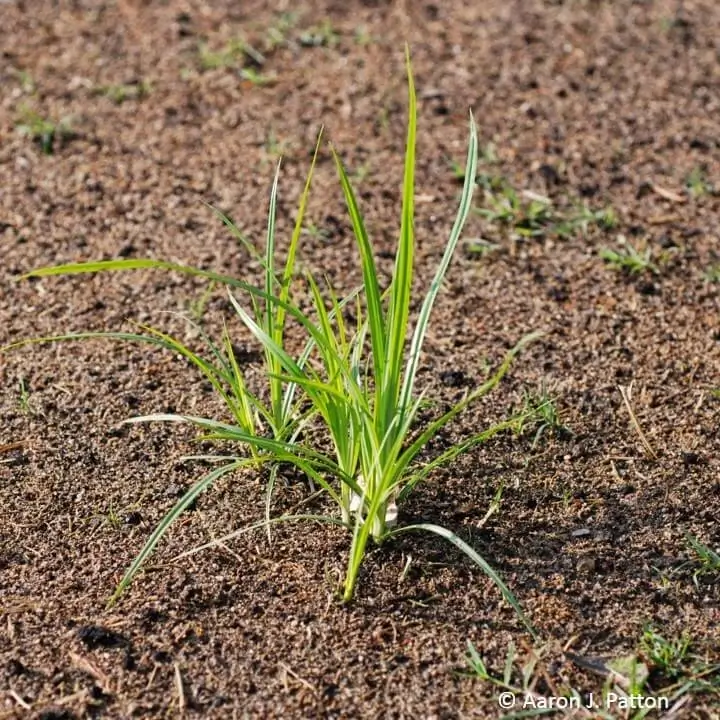
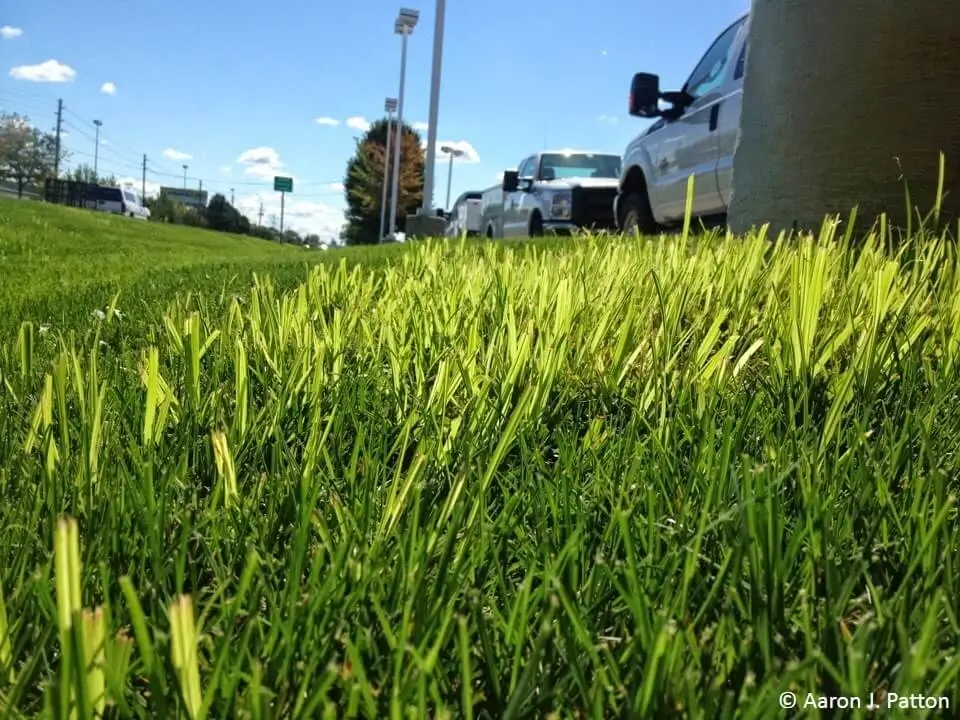
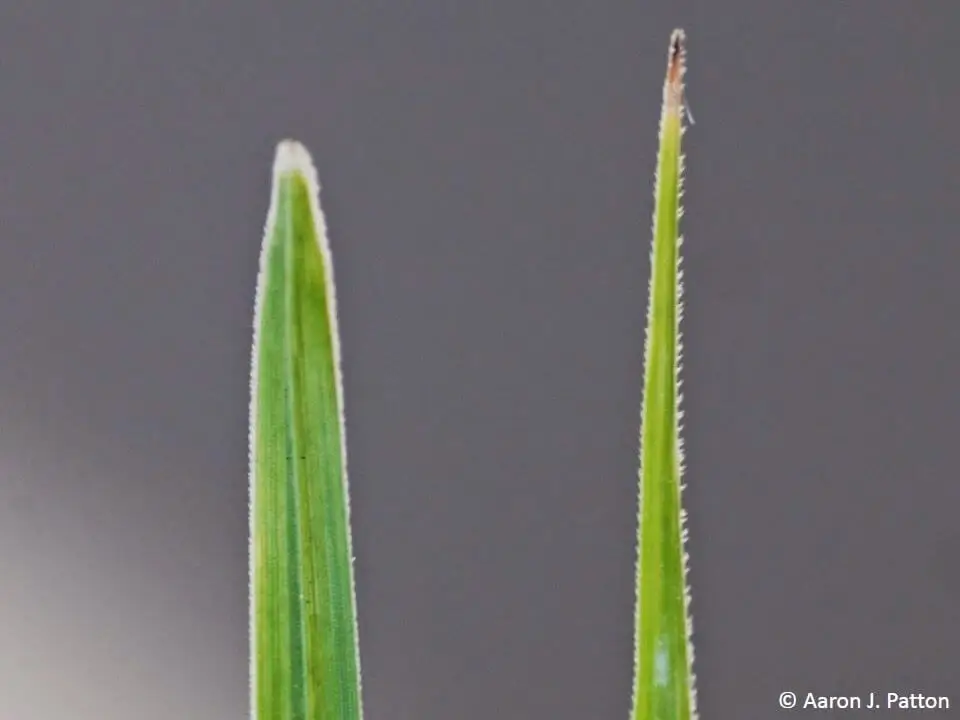
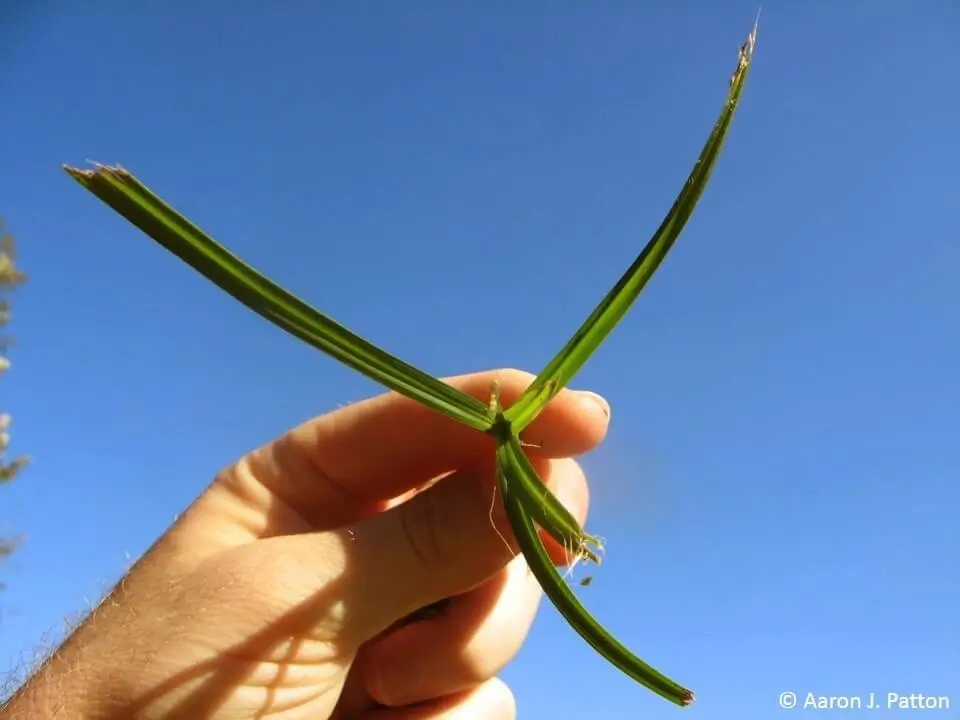
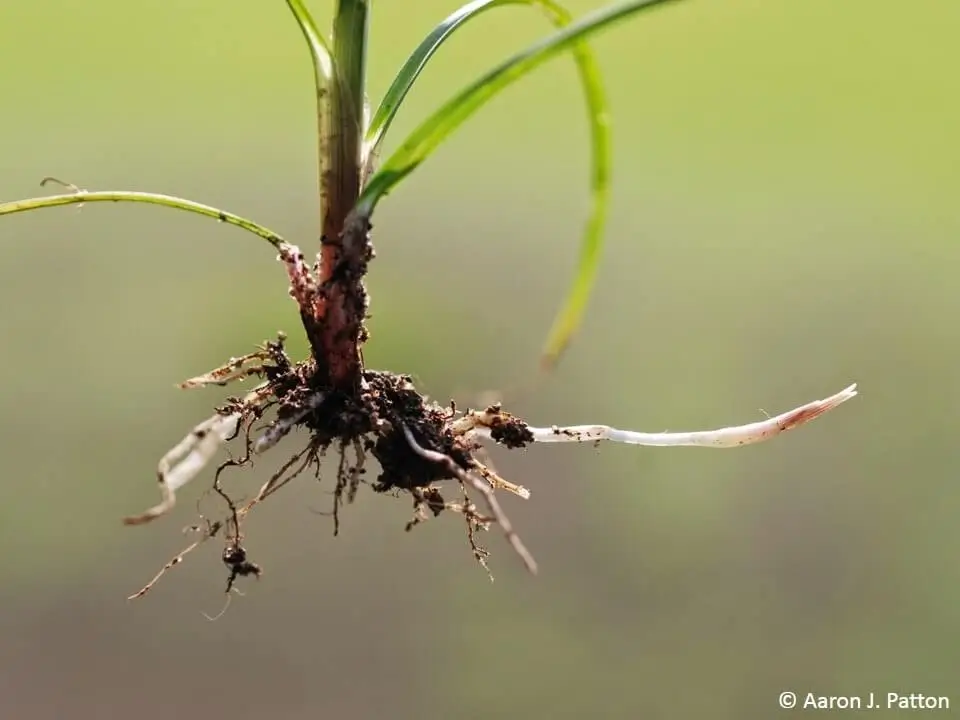
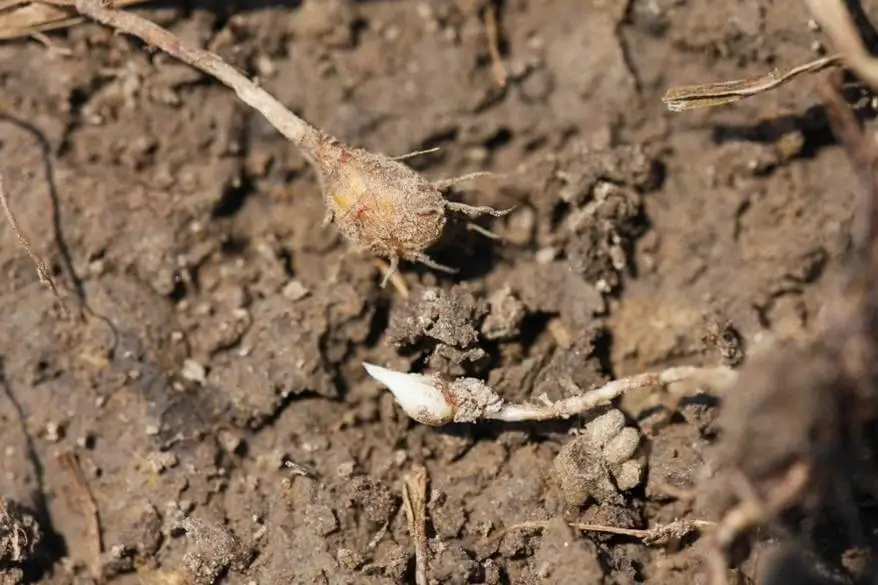
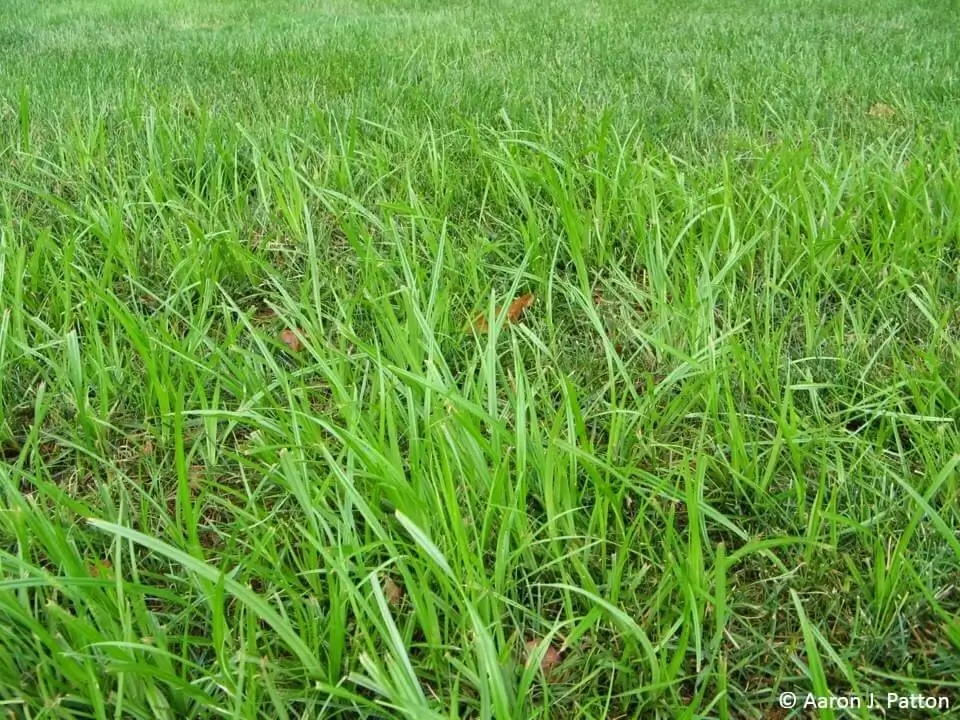
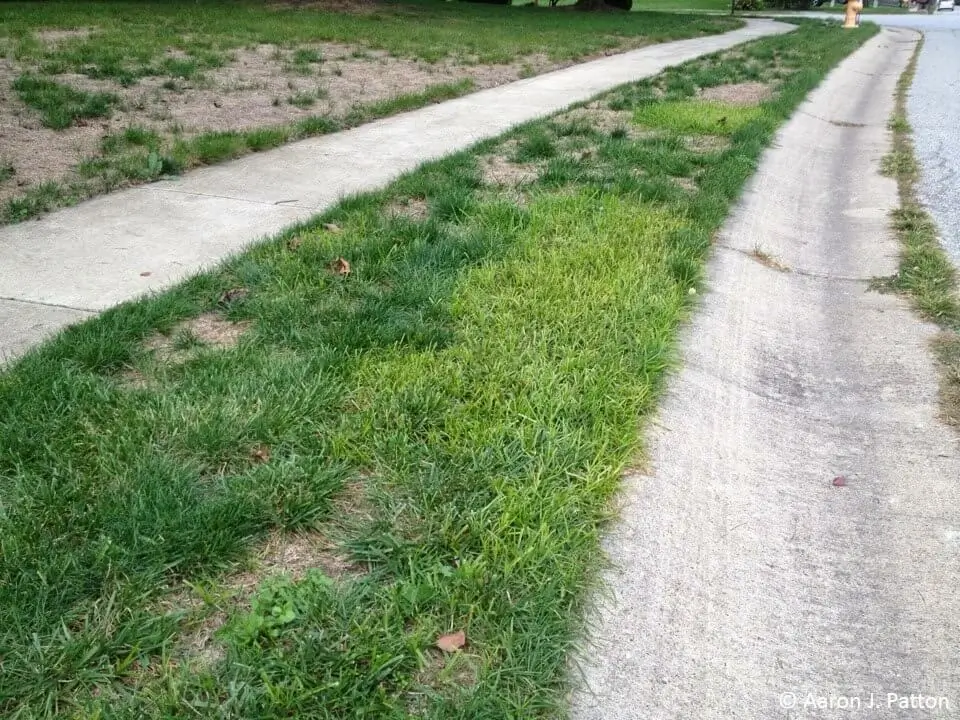
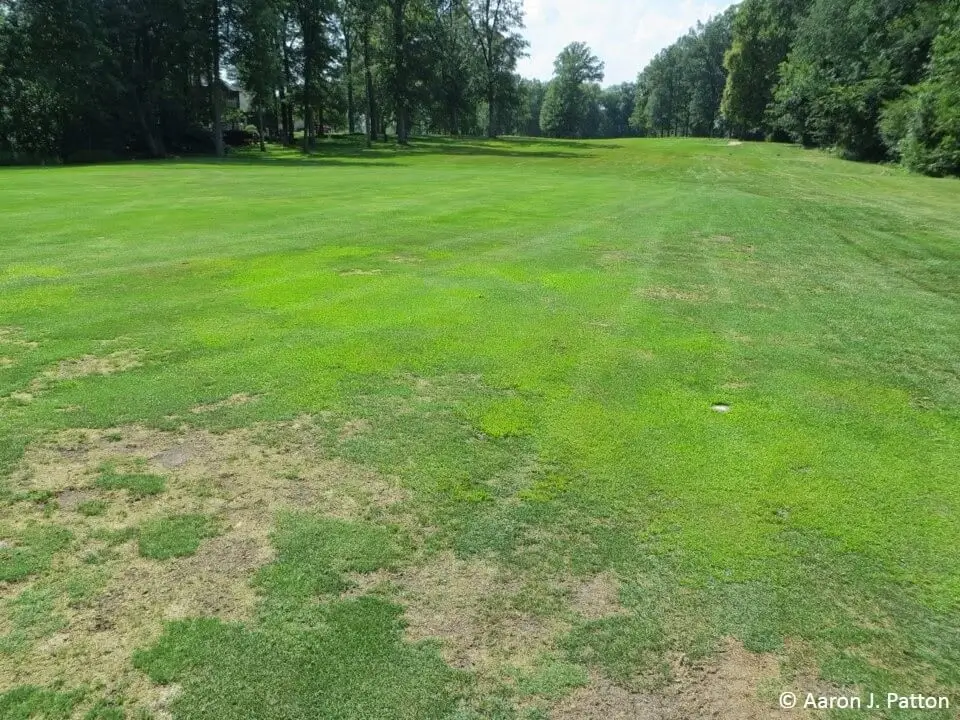
Cultural control: The best method of cultural control is a dense, aggressive turf that can successfully outcompete invading weeds for nutrients and space. Yellow nutsedge is more problematic on turf that is mown too short and thrives in areas where the soil is constantly moist from over-watering or poor irrigation drainage. Cultural practices such as increasing mowing height, watering deeply and infrequently, and cultivation (aeration) to alleviate soil compaction may help to maintain yellow nutsedge. If populations are small enough, hand-pulling will help to remove the above-ground-tissue; however, within a few weeks the plant will most likely grow back from the underground tubers. When yellow nutsedge is located in a landscape system, it is best to try and dig-out the entire plant (including the root/rhizome underground system) for more prolonged eradication.
Biological control: None known for specific use in yellow nutsedge.
Chemical control: Yellow nutsedge is a difficult-to-control weed that may require multiple herbicide applications. Purdue extension offers many publications about establishing, maintaining, and controlling lawn pests such as weeds. This information is available at The Purdue Extension Education Store or The Purdue Turf Program website. For yellow nutsedge herbicide control options for homeowners refer to publication AY-19-W, and for turf professionals refer to publication AY-338-W. Both publications are free for electronic download.
For more information on weed control, search this blog and check out our Turfgrass Weed Control for Professionals Publication.
For archives of past weed of the month postings, visit our Weed of the Month Archive.
Aaron Patton, Turfgrass Extension Specialist
Leslie Beck, Postdoctoral Research Associate

